






Most people don’t spend much time thinking about the water flowing from their taps. It’s simply there when you need it—whether you’re filling a glass, brewing your morning coffee, washing vegetables, or running the dishwasher. Yet water quietly influences almost every part of daily life. The quality of that water can affect everything from the taste of your meals to the lifespan of your appliances and, more importantly, your family’s well-being.
It’s funny how we often notice water only when something feels off. Maybe it has a strange smell after heavy rain, leaves white spots on dishes, or tastes slightly different than usual. Those little moments are often enough to make homeowners pause and wonder what they’re really using every day.
Learning more about your home’s water isn’t about creating unnecessary worry. It’s about making informed decisions that lead to greater comfort, confidence, and peace of mind.
Water Quality Is More Than Just Taste
A fresh-tasting glass of water is certainly pleasant, but quality goes much deeper than flavor alone. Water naturally contains minerals, and municipal treatment facilities work hard to provide safe supplies. Even so, conditions vary depending on where you live, the age of local infrastructure, and your home’s plumbing system.
Some households deal with excess minerals that create hard water. Others notice chlorine odors, sediment, or occasional discoloration. Homes supplied by private wells may experience entirely different challenges that require regular monitoring.
Understanding your water starts with information rather than assumptions. A professional water analysis often reveals exactly what’s present, making it much easier to choose the right treatment approach instead of guessing.
The Invisible Things That Matter
One of the biggest challenges with water quality is that many issues aren’t immediately obvious. Clear water doesn’t always mean ideal water, just as cloudy water doesn’t automatically indicate serious problems.
Depending on local conditions, water can contain harmful contaminants that aren’t easily detected by sight, smell, or taste alone. That’s one reason regular testing has become increasingly popular among homeowners who simply want greater confidence about what enters their homes every day.
Rather than creating concern, testing provides clarity. Once you understand your water profile, selecting an appropriate treatment solution becomes much more straightforward.
Why More Families Are Choosing Water Treatment
Over the last several years, many homeowners have started paying closer attention to everyday wellness. People read food labels more carefully, improve indoor air quality, and think twice about household products. Water naturally fits into that conversation.
Reliable treatment systems don’t just improve taste. They can also reduce unwanted odors, remove sediment, and improve the overall experience of cooking, drinking, and cleaning.
Many people notice subtle improvements they hadn’t expected. Coffee tastes smoother. Ice cubes appear clearer. Fresh vegetables rinse more cleanly, and even soups or pasta prepared with treated water can taste slightly different—in a good way.
These aren’t dramatic lifestyle changes. They’re simply small improvements that quietly become part of everyday living.
Better Water Creates Better Habits
When water tastes fresh, people naturally drink more of it.
Children often reach for water instead of sugary drinks when it has a crisp, clean flavor. Guests happily refill their glasses without asking for bottled alternatives. Those little choices happen almost automatically.
Having consistent access to clean safe water encourages healthier daily routines without requiring much effort. It’s one of those home improvements that continues delivering value long after installation because it supports habits that benefit the entire family.
Sometimes the simplest upgrades make the biggest difference.
Looking Beyond the Kitchen Sink
Many homeowners initially think about drinking water, but water quality affects much more than beverages.
Hard water minerals may shorten appliance life, reduce soap efficiency, and leave stubborn residue on bathroom fixtures. Shower doors collect spots, washing machines work harder, and water heaters gradually accumulate mineral buildup.
Addressing water quality throughout the home often improves both convenience and maintenance costs over time.
It’s not just about what you drink—it’s about how water interacts with nearly everything inside your house.
Choosing the Right Solution
There’s no universal system that’s perfect for every household.
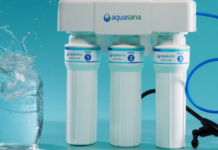
Some homes benefit from activated carbon filtration to reduce chlorine and improve taste. Others require sediment filters, water softeners, ultraviolet disinfection, or reverse osmosis technology. The right choice depends entirely on the specific characteristics of your local water supply.
That’s why experts usually recommend testing first and shopping second.
Buying equipment without understanding the actual problem is a little like purchasing prescription glasses without having an eye exam. You might get lucky—but there’s a much better way.
Maintenance Makes the Difference
Installing water treatment equipment isn’t really the finish line.
Filters require replacement, certain components need occasional inspection, and routine maintenance keeps everything operating efficiently. Fortunately, most modern systems are designed with straightforward maintenance schedules that homeowners can easily follow.
Ignoring maintenance doesn’t usually cause immediate problems, but performance gradually declines over time. A little routine care helps ensure consistent results year after year.
Think of it as protecting the investment you’ve already made.
A Small Decision with Lasting Benefits
Creating a healthier home rarely happens because of one dramatic renovation. More often, it’s built through thoughtful improvements that quietly enhance everyday life.
Better lighting makes rooms more comfortable. Efficient insulation lowers energy costs. Cleaner indoor air supports easier breathing. Quality water belongs on that same list.
When every member of the household can confidently use the tap for drinking, cooking, washing produce, and preparing meals, daily routines become just a little easier—and a lot more reassuring.
Those moments may seem ordinary, but they add up over months and years.
Final Thoughts
Water is one of the few things we interact with countless times every single day, yet it’s often taken for granted until something changes. Paying attention to water quality isn’t about chasing perfection or buying the most expensive equipment available. It’s about understanding your home’s unique needs and making practical choices that support comfort, convenience, and long-term well-being.
Whether you’re noticing unusual tastes, dealing with hard water, or simply wanting greater confidence in your household water supply, taking the first step starts with learning what’s actually coming through your taps.
The reward isn’t just better water. It’s greater peace of mind every morning when you pour a glass, prepare dinner, or make coffee, knowing your home is supported by water you can trust. And honestly, that’s one improvement that never goes out of style.