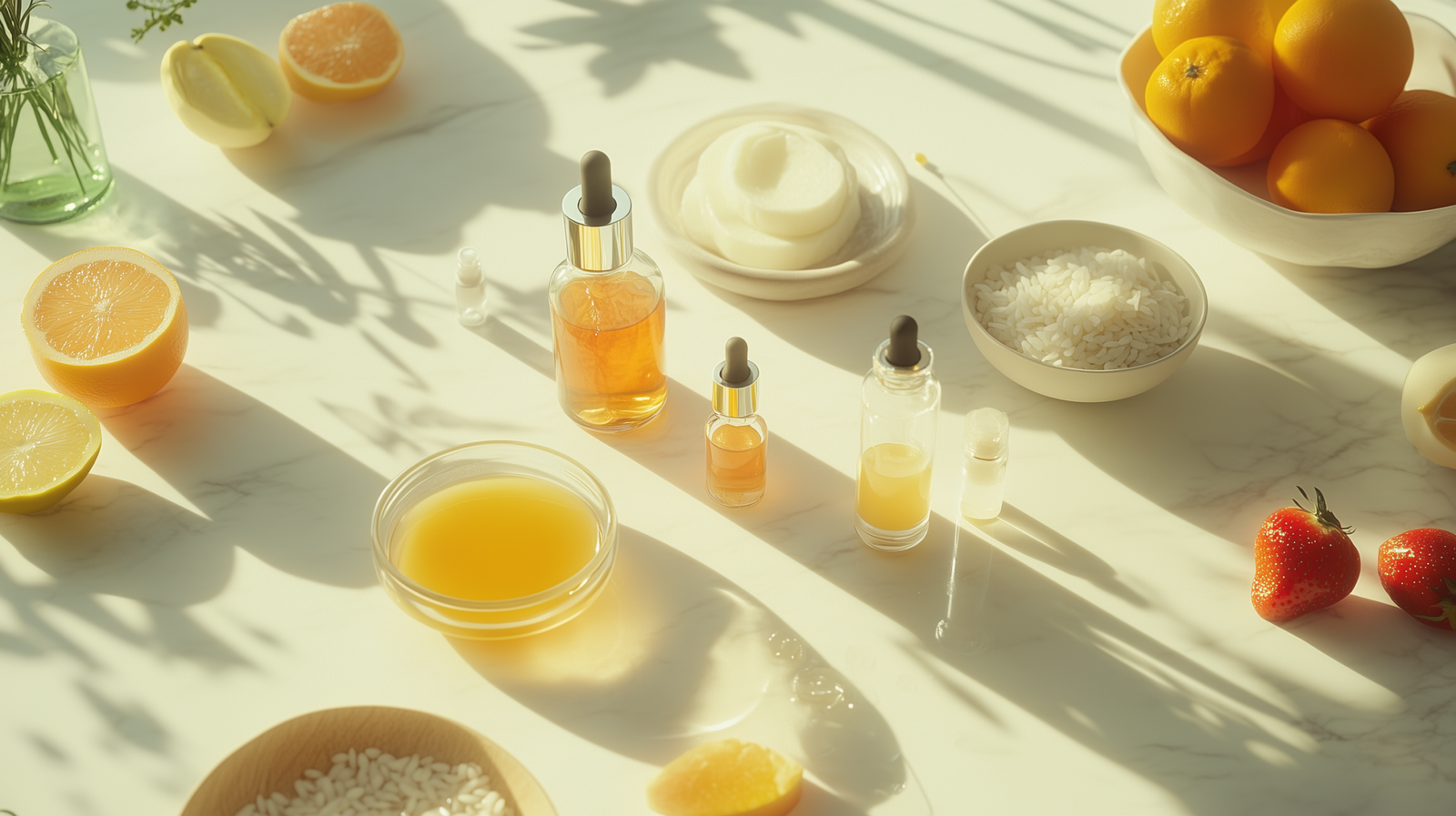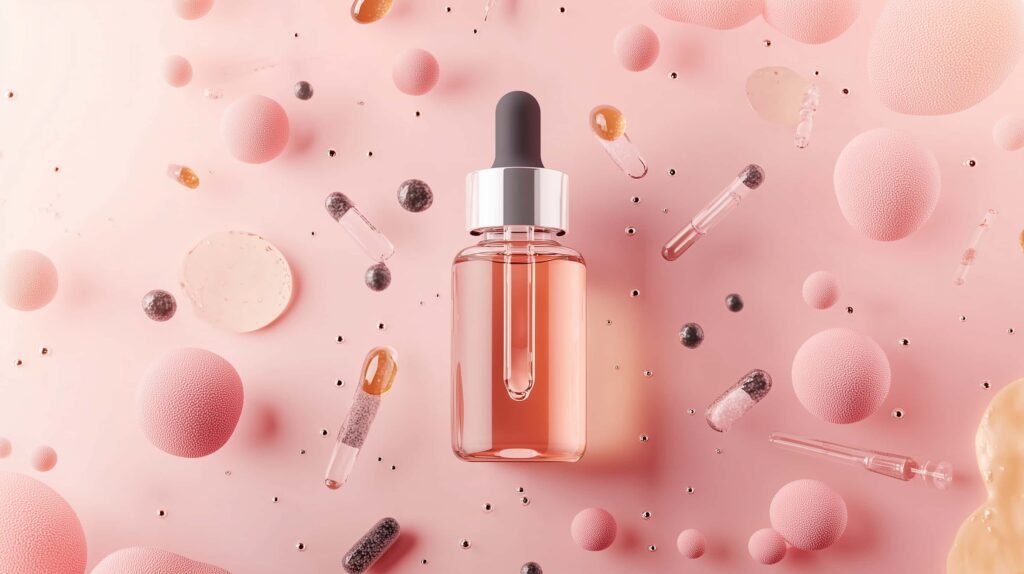
A few years ago, most skincare conversations revolved around familiar names — vitamin C, hyaluronic acid, retinol, maybe niacinamide if someone was particularly into beauty forums. But lately, another category has slowly entered the spotlight, and interestingly, it sounds more like something from a kitchen shelf than a cosmetic lab.
Fermented skincare.
At first, it confused people. Fermented rice water? Fermented tea? Yeast extracts? It honestly sounded like beauty brands were getting carried away with marketing language again. But the more dermatologists, formulators, and consumers started talking about it, the clearer it became that fermentation in skincare isn’t just another temporary social media trend.
There’s actual science behind why these ingredients feel gentler, absorb better, and often give skin that calm, healthy glow people chase endlessly.
What Fermentation Actually Means in Skincare
The word “fermented” tends to make people think of food first — yogurt, kimchi, kombucha, sourdough bread. In skincare, the process is somewhat similar.
Natural ingredients are broken down using microorganisms like yeast or bacteria. During fermentation, large molecules become smaller, nutrients become more concentrated, and certain beneficial compounds increase naturally. That transformation can make ingredients easier for the skin to absorb.
Think of it like pre-digestion, but for skincare.
Instead of forcing the skin to work harder to process an ingredient, fermentation helps simplify it beforehand. The result is often a formula that feels lighter yet surprisingly effective.
Why Sensitive Skin Users Are Paying Attention
One interesting thing about fermented ingredients is how frequently they appear in products designed for sensitive or damaged skin barriers.
Modern lifestyles haven’t exactly been kind to skin. Pollution, over-exfoliation, stress, poor sleep, constant exposure to AC environments — it all adds up. Many people unknowingly damage their skin barrier while trying too hard to “fix” their skin.
Fermented ingredients often work differently from aggressive actives. Rather than attacking skin concerns harshly, they tend to support balance and hydration more gently.
RelatedWhy Modern Water Coolers Are Becoming a Smarter Choice for Homes and Workplaces
That’s probably one reason why Fermented skincare ingredients beauty industry me itne trend me kyun aa rahe hain? has become such a common discussion across beauty communities lately.
Consumers are slowly moving away from the “stronger is better” mindset. They want skincare that feels intelligent, not punishing.
Korean Beauty Played a Huge Role
It’s impossible to discuss fermented skincare without mentioning South Korea and the influence of K-beauty.
Many of the early globally popular fermented products came from Korean skincare brands. Ingredients like fermented rice extract, galactomyces ferment filtrate, and bifida ferment lysate gained popularity through routines focused on hydration, layering, and long-term skin health rather than instant dramatic results.
What made K-beauty stand out was its softer philosophy toward skincare. Instead of aggressively stripping skin, the focus shifted toward nourishment and maintaining a healthy moisture barrier.
Over time, Western beauty brands noticed consumer interest growing and started incorporating fermented ingredients into serums, creams, toners, and even scalp treatments.
Now the category is everywhere.
Fermented Ingredients Often Feel More Elegant
This part is hard to explain scientifically, but many users notice it immediately.
RelatedHow Modern Water Filtration Helps Create Cleaner, Better-Tasting Water at Home
Products with fermented ingredients often feel smoother and more refined on the skin. Lightweight textures somehow manage to feel deeply hydrating without heaviness. There’s less of that sticky or suffocating sensation some traditional creams leave behind.
And honestly, skincare isn’t only about results. Texture matters. Experience matters too.
People enjoy products that make nightly routines feel calming after long, tiring days.
A fermented essence applied before bed can feel oddly soothing in a way that’s difficult to measure clinically but easy to appreciate personally.
The Skin Barrier Conversation Changed Everything
If there’s one skincare phrase that exploded over the past few years, it’s “skin barrier.”
Suddenly people began realizing redness, irritation, dehydration, and breakouts were often linked to weakened skin barriers rather than simply “dirty skin” or lack of exfoliation.
Fermented ingredients fit naturally into this shift because many contain amino acids, peptides, antioxidants, and probiotics that support healthier skin function. Some may even help maintain the balance of microorganisms living naturally on the skin.
That microbiome-focused approach is becoming increasingly important in cosmetic science.
RelatedHow Wildlife Photography Tourism Quietly Helps Conservation Efforts Around the World
Consumers are no longer impressed only by harsh transformations. They’re looking for healthier-looking skin that stays stable over time.
Social Media Definitely Accelerated the Trend
Of course, beauty trends rarely grow quietly anymore.
TikTok routines, Instagram reels, YouTube skincare reviews — all of these platforms helped fermented skincare move from niche beauty shelves into mainstream conversations. Before-and-after glow videos spread quickly, especially when users showed calmer, more hydrated skin instead of unrealistic “perfect” transformations.
But unlike some internet beauty crazes that disappear within months, fermented skincare seems to have more staying power because it connects with broader wellness trends too.
People today care more about ingredients, sourcing, sustainability, and holistic self-care than they did ten years ago.
Fermentation fits neatly into that narrative.
Not Every Product Is Automatically Better
That said, fermentation isn’t magic.
Just because a label says “fermented” doesn’t guarantee a product will work perfectly for everyone. Formulation still matters. Skin type still matters. Some people may react beautifully to fermented extracts, while others notice little difference.
RelatedWhy Solar-Powered Cruise Ships Are Changing the Idea of Luxury Travel
Skincare remains deeply personal.
There’s also a tendency in beauty marketing to over-romanticize natural processes. Consumers should still read ingredient lists carefully instead of assuming every trending ingredient deserves blind trust.
Healthy skepticism is probably good for the skincare industry anyway.
Beauty Trends Are Becoming More Thoughtful
What’s interesting about fermented skincare isn’t only the ingredients themselves. It reflects a larger shift happening in beauty culture.
People seem tired of overly aggressive routines and impossible perfection standards. There’s more interest now in skin health, balance, texture, and long-term comfort. Consumers want products that quietly support the skin instead of constantly fighting against it.
And maybe that’s why fermented skincare resonates so strongly right now.
It feels less like chasing perfection and more like helping skin function naturally — just a little better than before.