There’s something strangely humbling about standing near a volcano.
Maybe it’s the silence around massive black lava fields. Maybe it’s the awareness that the mountain in front of you is technically alive, even if it looks calm at the moment. Or maybe it’s just the feeling of witnessing nature in one of its rawest, least controlled forms.
Whatever the reason is, volcanic tourism has quietly become one of the most fascinating trends in modern adventure travel. More travelers are actively seeking destinations built around volcanic landscapes, geothermal regions, lava trails, crater lakes, and even active eruption zones.
And honestly, it’s easy to understand why once you experience one of these places in person.
Volcanoes Create Landscapes That Don’t Feel Real
Most tourist destinations become familiar quickly. Beaches are beautiful, forests are peaceful, mountains are inspiring — but volcanic regions feel different somehow.
The terrain often looks almost extraterrestrial.
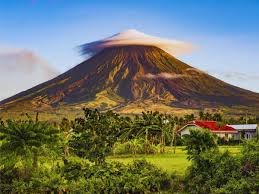
Black rock deserts, steaming geothermal vents, sulfur-colored lakes, hardened lava formations, ash-covered slopes, and smoking craters create environments that feel visually dramatic in ways ordinary landscapes rarely do. Travelers constantly describe volcanic destinations as “surreal” because the scenery genuinely challenges everyday expectations.
Places like Iceland, Indonesia, and Japan have built strong tourism identities partly around these volcanic experiences.
And social media has amplified their appeal massively.
Adventure Travelers Want More Than Relaxation Now
Travel behavior has changed noticeably over the last decade.
Earlier, many vacations focused mainly on relaxation — beaches, resorts, sightseeing, shopping. Those things still matter, of course. But a growing number of travelers now actively chase experiences that feel emotionally intense, physically memorable, or slightly outside their comfort zones.
Volcano tourism fits perfectly into that shift.
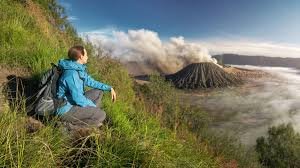
Hiking across active volcanic terrain, watching lava glow under dark skies, trekking to crater rims before sunrise, or soaking in geothermal hot springs creates stories people genuinely remember for years.
That emotional intensity matters.
Modern travelers increasingly value experiences that feel transformative rather than simply comfortable.
RelatedWhy Modern Water Coolers Are Becoming a Smarter Choice for Homes and Workplaces
The Psychological Attraction Is Surprisingly Deep
Volcanoes trigger something primal in people.
Humans are naturally fascinated by powerful natural forces because they remind us how small we really are. Standing near volcanic landscapes creates a strange combination of awe, danger, beauty, and respect simultaneously.
That emotional complexity becomes addictive for some travelers.
It’s partly why Volcanic destination tourism adventure travelers ko itna attract kyun kar raha hai? has become a growing discussion in travel psychology and adventure tourism circles recently.
Volcanic environments don’t just entertain visitors visually. They create emotional tension. There’s excitement in knowing the landscape itself was shaped by destruction, heat, and geological instability over thousands of years.
Oddly enough, that danger makes the experience feel more alive.
Social Media Made Volcanic Tourism Even Bigger
Platforms like Instagram, YouTube, and TikTok played a huge role in popularizing volcano tourism globally.
And honestly, volcanic landscapes photograph incredibly well.
Glowing lava rivers, dramatic crater hikes, steam vents, black sand beaches, and mist-covered volcanic peaks create visually unforgettable content. Travelers constantly share footage of eruptions, drone shots of craters, and cinematic trekking videos that make volcanic destinations look almost unreal.
Once people see those visuals repeatedly online, curiosity grows naturally.
Adventure tourism today is heavily driven by visual storytelling. Volcanoes provide dramatic imagery almost effortlessly.
Volcanoes Offer Multiple Experiences at Once
Another reason volcanic destinations attract travelers is because they combine several travel styles together.
RelatedHow Modern Water Filtration Helps Create Cleaner, Better-Tasting Water at Home
A single volcanic region may offer trekking, photography, hot springs, wildlife exploration, cultural tourism, and geological education simultaneously. Travelers don’t feel limited to one type of activity.
For example, geothermal regions often include wellness tourism too.
After difficult volcanic hikes, travelers relax in natural hot springs heated by underground geothermal activity. That combination of physical challenge and recovery creates an oddly satisfying balance.
Volcanic travel feels adventurous without always requiring extreme athletic ability.
Even moderate travelers can experience volcanic environments safely through guided tours and accessible trekking routes.
Local Cultures Often Add More Depth
Volcanic regions frequently carry strong cultural and spiritual significance too.
Many communities living near volcanoes develop deep traditions, myths, rituals, and historical relationships connected to these landscapes. In places like Hawaii or Guatemala, volcanoes are not just geological formations. They hold symbolic meaning tied to local identity and history.
That cultural layer makes volcanic tourism feel richer emotionally.
Travelers aren’t only observing nature. They’re entering environments where local communities have adapted to powerful natural forces for generations.
And honestly, those human stories often become just as memorable as the scenery itself.
There’s Also a Controlled Sense of Risk
Adventure tourism often depends on carefully managed danger.
People enjoy experiences that feel thrilling without becoming recklessly unsafe. Volcano tourism creates that emotional balance extremely well. Travelers experience proximity to raw natural power while still operating within guided safety systems.
RelatedCan AI Companions Really Help With Loneliness in Modern Life?
That controlled tension creates excitement.
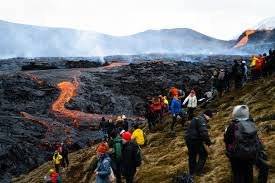
Watching distant lava movement or standing near steaming volcanic vents activates adrenaline differently than ordinary sightseeing. The environment constantly reminds visitors they’re standing near something capable of enormous force.
That awareness sharpens attention in ways everyday life rarely does anymore.
Of Course, Responsible Tourism Matters
As volcanic tourism grows, safety and sustainability become increasingly important too.
Active volcanic regions can change unpredictably. Eruptions, toxic gas emissions, unstable terrain, and weather conditions all require careful monitoring. Travelers sometimes underestimate natural risks because social media content makes these places look glamorous rather than dangerous.
Responsible tourism also matters environmentally.
Fragile volcanic ecosystems can suffer damage from overcrowding, littering, and excessive infrastructure development. Many destinations now balance tourism growth carefully to protect geological and ecological integrity.
Because once natural environments lose authenticity, part of their emotional impact disappears too.
Travelers Are Searching for Wonder Again
What makes volcanic tourism so fascinating isn’t only the scenery or adventure activities. It reflects a deeper emotional shift happening in travel itself.
People increasingly crave experiences that interrupt routine thinking. They want moments that feel larger than everyday life — places capable of creating awe, perspective, and genuine emotional memory.
Volcanic landscapes do that naturally.
They remind travelers that the planet is still wild, unpredictable, and alive beneath the surface. And honestly, in a world that often feels overly digital and controlled, that raw connection to nature’s power may be exactly what many modern travelers are searching for without fully realizing it.