For years, marketing followed a fairly predictable formula. Bigger campaigns. Louder advertisements. Celebrity endorsements everywhere. Massive billboards, endless social media ads, flashy collaborations — brands constantly competing to dominate public attention.
And honestly, consumers eventually became exhausted by it.
People scroll past ads automatically now. Notifications never stop. Every platform fights aggressively for visibility. In that kind of noisy digital environment, something unexpected has started happening in the luxury world.
The brands creating the strongest impression are often the ones speaking the least.
Instead of constantly pushing products aggressively, many luxury companies are embracing quieter, more understated marketing strategies. And strangely enough, that silence is becoming powerful.
Luxury Has Always Been About Perception
At its core, luxury isn’t simply about price.
It’s about exclusivity, emotional aspiration, identity, and subtle social signaling. A luxury product often feels valuable partly because it appears selective rather than universally accessible.
That psychology changes how luxury brands approach communication.
Mass advertising works beautifully for fast-moving consumer products because visibility drives volume. Luxury operates differently. Too much exposure can sometimes reduce perceived exclusivity.
If everyone sees the same product everywhere constantly, it risks feeling ordinary.
That’s one reason modern luxury marketing is shifting away from loud promotional tactics toward more restrained storytelling.
Quiet Marketing Creates Curiosity
One fascinating thing about human psychology is that mystery attracts attention naturally.
When brands reveal everything aggressively, audiences often lose interest quickly. But when communication feels selective or understated, curiosity increases. Consumers begin seeking information voluntarily rather than feeling overwhelmed by advertising.
Luxury brands understand this instinct deeply.
Instead of screaming for attention, they create environments where discovery feels personal. Limited campaigns, invitation-only events, minimalist visuals, subtle product placements, carefully curated influencer partnerships — all these approaches contribute toward a quieter but more emotionally controlled brand image.
RelatedThe Three-Part Checkup: How Luxury Cars Should Be Restored After Collision Damage In 2026
And honestly, silence sometimes feels more confident than constant self-promotion.
Social Media Changed Consumer Behavior
Ironically, the rise of hyperactive social media may have strengthened silent marketing rather than weakened it.
Consumers today encounter thousands of marketing messages daily. People have become highly skilled at filtering obvious advertising automatically. Overly aggressive campaigns often trigger skepticism rather than excitement.
Luxury buyers especially tend to appreciate authenticity and restraint.
That’s partly why Silent marketing strategies luxury brands ke liye effective kyun prove ho rahi hain? has become such a relevant discussion in branding and consumer psychology circles lately.
Luxury consumers increasingly value emotional experience, storytelling depth, craftsmanship, and exclusivity over flashy mass visibility.
In many ways, quieter marketing feels more premium because it doesn’t appear desperate for attention.
Minimalism Has Become Aspirational
Another interesting cultural shift influencing luxury branding is the growing appeal of minimalism.
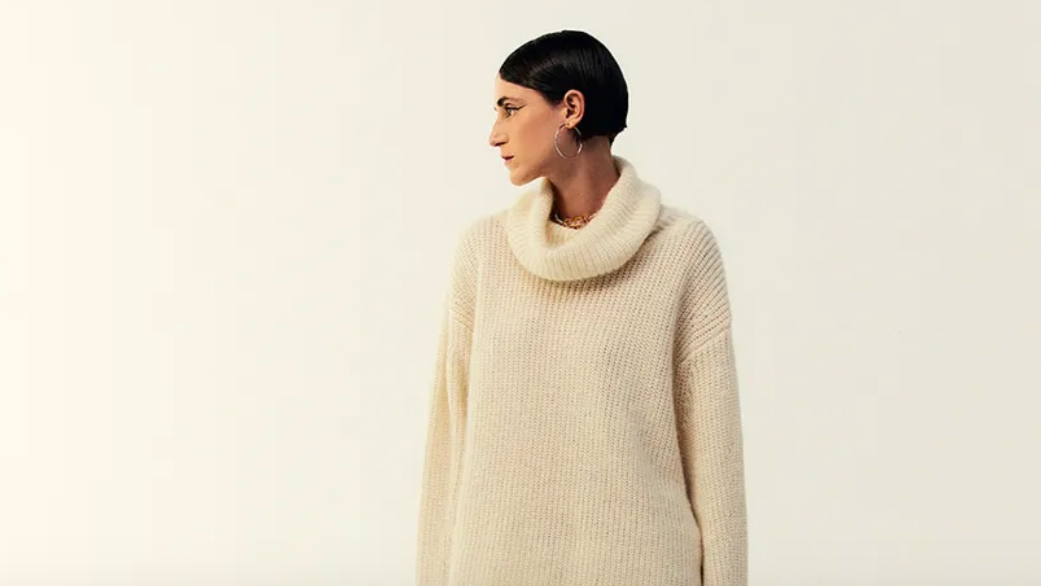
Over the last decade, consumers have slowly moved away from overt status signaling in certain markets. Instead of giant logos and obvious displays of wealth, many affluent buyers now prefer understated elegance.
The “quiet luxury” trend reflects this beautifully.
People increasingly admire products recognized mainly by those who understand craftsmanship, design heritage, or quality rather than loud branding. Fashion, watches, interiors, and even automotive marketing have started embracing this aesthetic more aggressively.
A simple product presented thoughtfully can sometimes feel more luxurious than something overloaded with branding.
Luxury companies noticed that shift carefully.
RelatedWhy Your Home’s Water Deserves More Attention Than You Think
Influencer Culture Also Changed
Interestingly, luxury brands are becoming more selective about influencer collaborations too.
Earlier, brands often chased massive follower counts aggressively. But audiences today are more skeptical about obvious paid promotions. Consumers quickly sense when endorsements feel forced or transactional.
As a result, luxury companies increasingly prefer quieter partnerships with creators whose lifestyle naturally aligns with the brand image.
Sometimes products appear subtly inside content without direct selling at all. A carefully photographed dinner setting, a casually worn handbag, a watch appearing naturally during travel content — these softer integrations often feel more believable than loud promotional scripts.
And honestly, subtle aspiration usually lasts longer psychologically than aggressive persuasion.
Scarcity Still Drives Desire
One timeless principle behind luxury marketing is scarcity.
People naturally value things that appear limited, difficult to access, or selectively distributed. Silent marketing strengthens this effect because limited communication creates emotional distance between the brand and mass audiences.
Not everyone is supposed to feel included immediately.
Some luxury brands intentionally reduce product visibility, avoid oversaturating advertising channels, or limit availability through controlled distribution strategies. Waiting lists, invitation-only previews, and discreet customer experiences all reinforce exclusivity.
The silence itself becomes part of the brand identity.
Younger Consumers Want Emotional Connection
Millennial and Gen Z luxury consumers behave differently from older generations in several ways.
Many younger buyers care deeply about authenticity, sustainability, craftsmanship, and emotional storytelling rather than purely status-driven consumption. They often research brands independently rather than responding directly to traditional advertising pressure.
In countries like India, younger affluent consumers increasingly appreciate brands that feel culturally aware, emotionally intelligent, and aesthetically refined rather than excessively flashy.
RelatedDiscover Lily Arkwright Wedding Rings: Ethical Luxury & British Craftsmanship
Silent marketing aligns naturally with that mindset because it feels less transactional and more experiential.
Consumers don’t want to feel sold to constantly. They want to feel understood.
Quiet Marketing Doesn’t Mean No Marketing
Of course, silent marketing isn’t literally silence.
Luxury brands still invest heavily in branding, campaigns, storytelling, events, visual identity, and customer experience. The difference lies in tone and intensity.
The communication feels curated rather than overwhelming.
Instead of chasing every trend or platform aggressively, luxury companies often focus on consistency, atmosphere, and emotional resonance over raw visibility metrics.
It’s less about reaching everyone instantly and more about shaping long-term perception carefully.
And honestly, that approach may age better in a world already overloaded with content.
The Future of Luxury May Feel More Intimate
What makes silent marketing fascinating is that it reflects broader changes in consumer psychology itself.
People are becoming more selective about attention. Constant noise creates fatigue. In response, understated communication increasingly feels sophisticated, calm, and trustworthy. Luxury brands that understand this emotional shift seem better positioned to maintain long-term relevance.
Because in the end, true luxury rarely begs loudly for validation.
It usually lets presence, craftsmanship, and quiet confidence speak first.