






There’s something oddly comforting about hearing your air conditioner kick on during the first truly hot day of the year. You probably don’t think much about the machine tucked away outside or hidden in a utility closet—it simply does its job. Until, of course, it doesn’t.
Most air conditioning problems don’t appear out of nowhere. They usually start as tiny issues that quietly build over time. A clogged filter here, a dirty condenser there, maybe a loose electrical connection that no one notices until the system refuses to start. The good news? Many of these headaches are preventable with regular maintenance and a little attention before summer reaches full force.
Preventive AC care isn’t about obsessing over every little detail. It’s about creating a few smart habits that help your system run efficiently, lower operating costs, and reduce the chances of unexpected repairs. Think of it as taking care of something you depend on every single day, even if you rarely see it.
Why Preventive Maintenance Is Worth Your Time
Your air conditioner works harder than most appliances in your home. During long stretches of hot weather, it may operate for hours at a time without much of a break.
That constant workload naturally creates wear and tear. Dust settles on important components, airflow gradually becomes restricted, and moving parts slowly age. None of that is unusual—it’s simply how mechanical equipment behaves over time.
Routine maintenance helps identify these changes before they develop into expensive repairs. A technician can often correct a small issue in a single visit rather than waiting until it turns into a major breakdown during the hottest week of the year.
The goal isn’t perfection. It’s reliability.
Start With Regular air filter replacement
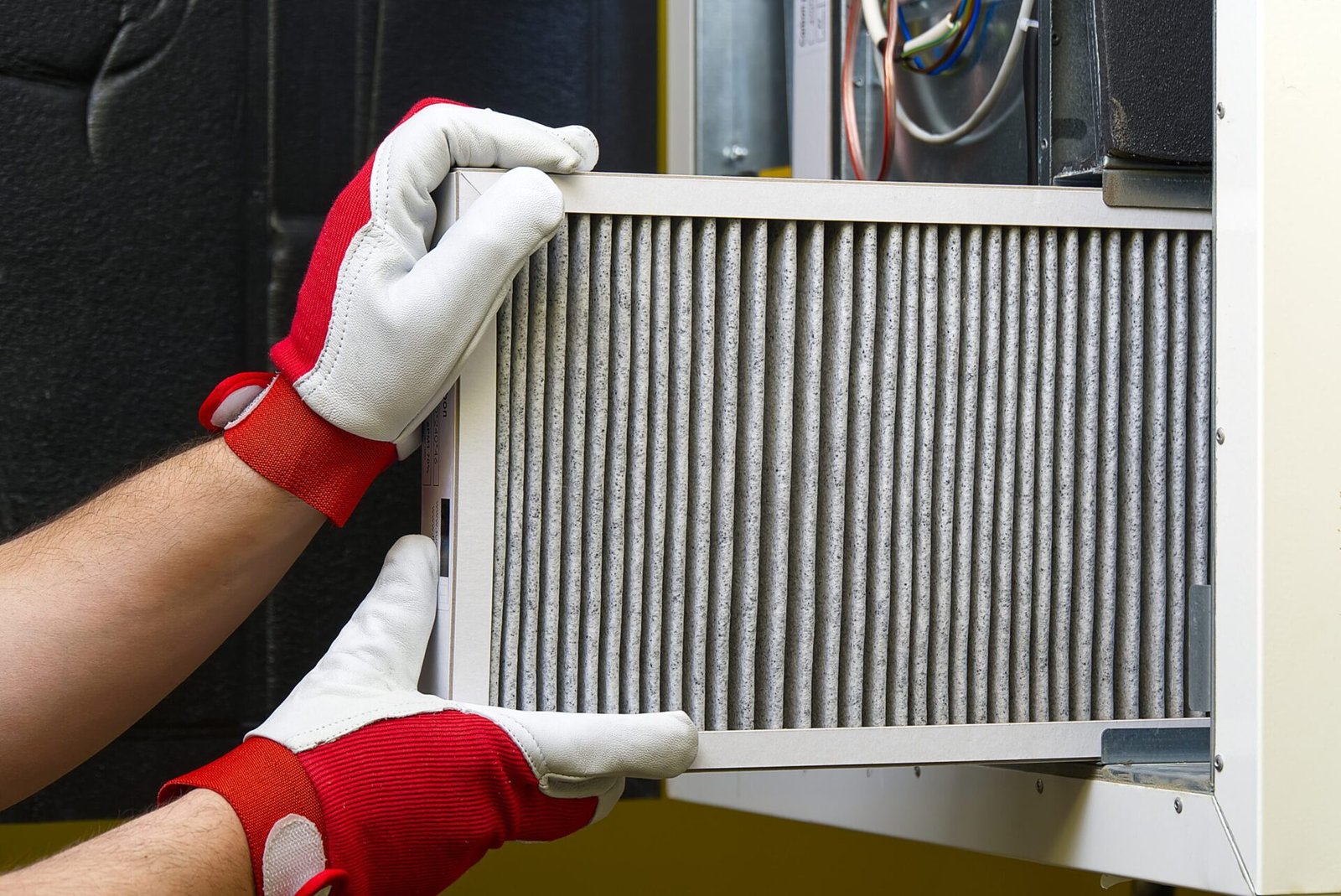
One of the easiest ways to improve HVAC performance is staying consistent with air filter replacement.
It sounds simple because it is.
Air filters capture dust, pet hair, pollen, and other airborne particles before they circulate through your home or settle inside the HVAC system. As filters become dirty, airflow decreases. The blower motor has to work harder, cooling performance begins to decline, and energy consumption slowly increases.
Most homeowners can replace a standard filter in just a few minutes. Depending on household conditions, replacing it every one to three months is usually a good practice.
If you have pets, allergies, or live in a dusty environment, more frequent changes may be beneficial. It’s a small investment that often pays off in better airflow and cleaner indoor air.
Don’t Forget About the Outdoor Equipment
While people naturally focus on the thermostat or indoor vents, the outdoor condenser deserves just as much attention.
Leaves, grass clippings, dirt, cottonwood seeds, and even small branches can collect around the unit throughout the year. Over time, this buildup restricts airflow and makes it more difficult for the system to release heat.
That’s why an annual outdoor unit inspection is so important.
During a professional inspection, technicians check for damaged fins, debris accumulation, loose electrical components, proper fan operation, and signs of physical wear. Homeowners can also help by trimming nearby shrubs, removing leaves, and keeping at least a couple of feet of open space around the condenser.
A clean, unobstructed unit simply performs better.
Small Problems Have a Habit of Growing
One of the biggest misconceptions about air conditioners is that if they’re still running, everything must be fine.
Unfortunately, that isn’t always true.
A slightly weak capacitor may still allow the system to start. A small refrigerant leak may only reduce cooling by a few degrees. Loose wiring might continue functioning for weeks before finally causing a shutdown.
These hidden problems rarely announce themselves right away.
Routine maintenance allows technicians to identify developing issues while repairs are still relatively inexpensive. Waiting until the system stops completely often means replacing larger components that have been under unnecessary stress for months.
Better Airflow Creates Better Comfort
Comfort isn’t only about reaching a certain temperature.
A well-maintained HVAC system distributes air more evenly throughout the home, helping eliminate rooms that feel too warm or unusually cold. Proper airflow also improves humidity control, making indoor spaces feel fresher and more comfortable during humid summer days.
Sometimes homeowners assume they need a larger air conditioner when the real issue is restricted airflow caused by dirty components or neglected maintenance.
It’s surprising how often a properly serviced system restores comfort without requiring expensive upgrades.
Maintenance Leads to improved energy efficiency
Energy bills have become an increasing concern for many families, especially during peak cooling months.
Regular maintenance contributes to improved energy efficiency by helping every component operate the way it was designed to. Clean coils transfer heat more effectively. Proper airflow reduces strain on the blower motor. Well-adjusted electrical components minimize unnecessary power consumption.
None of these improvements may seem dramatic on their own.
Together, though, they help the entire system cool your home with less effort.
That means lower monthly utility bills, reduced wear on expensive components, and a system that doesn’t have to work overtime just to maintain comfortable indoor temperatures.
Professional Service Complements Homeowner Care
Homeowners can absolutely handle certain maintenance tasks themselves.
Changing filters, clearing debris around the outdoor unit, checking thermostat settings, and making sure vents remain unobstructed are all valuable habits.
Professional maintenance, however, goes much further.
Licensed HVAC technicians inspect refrigerant pressures, electrical connections, motors, capacitors, safety controls, condensate drainage, blower performance, and overall system operation. Specialized testing equipment allows them to detect issues that simply aren’t visible during a casual inspection.
That combination of homeowner care and professional expertise creates the strongest defense against unexpected equipment failures.
The Long-Term Value Is Easy to Overlook
Preventive maintenance isn’t always exciting because the biggest benefit is something that doesn’t happen.
The air conditioner doesn’t unexpectedly quit.
The compressor doesn’t overheat.
The blower motor doesn’t fail in the middle of July.
Emergency repair bills stay smaller—or never happen at all.
Those “non-events” may not seem dramatic, but they’re exactly why regular maintenance delivers such strong long-term value.
Extending equipment life by even a few years can save thousands of dollars compared to replacing an HVAC system prematurely.
A Comfortable Home Starts With Consistent Care
Air conditioners are built to last, but they aren’t designed to run indefinitely without attention. Like any hardworking piece of equipment, they perform best when routine maintenance becomes part of normal homeownership rather than something that’s only considered after a problem appears.
Simple habits like replacing filters, keeping the outdoor unit clean, scheduling annual inspections, and addressing minor concerns early create lasting benefits. You’ll enjoy more reliable cooling, lower energy costs, better indoor comfort, and greater confidence every time temperatures begin to climb.
In the end, preventive AC maintenance isn’t really about the equipment itself. It’s about protecting your comfort, avoiding unnecessary stress, and making sure your home remains the cool, relaxing place it’s supposed to be—no matter how hot it gets outside.