For many families, water quality is something they notice only after a problem appears. A strange smell while filling a glass, a metallic aftertaste in drinking water, or concerns about unwanted substances can make people question what is actually coming from their taps.
Although public water systems go through treatment processes, the quality of water can change as it travels through pipes and reaches individual homes. Factors such as aging plumbing, local water conditions, and household infrastructure all play a role. This is why more homeowners are exploring filtration solutions that provide an extra layer of protection and improve their everyday water experience.
A good filtration system is not just about removing unwanted elements. It is about creating water that feels cleaner, tastes fresher, and fits naturally into your lifestyle.
Understanding Common Drinking Water Concerns
Water can contain different substances depending on where it comes from and how it is delivered. Some homeowners deal with hard water minerals, while others notice chlorine smells or concerns about metals that may enter the supply through older plumbing systems.
Chlorine is commonly used during water treatment because it helps control bacteria and keeps water supplies safe. However, some people dislike its taste or smell. Lead is another concern, especially in homes with older pipes or plumbing fixtures.
The challenge is that many water issues are invisible. Clear water does not always mean perfect water quality. Testing can help homeowners understand what is present and choose a solution based on actual needs rather than assumptions.
How Filtration Systems Improve Water Quality
Modern filtration technology has come a long way. Today’s systems are designed to address specific concerns while being convenient enough for everyday residential use.
RelatedSmall Details, Better Performance: What to Look for in a Modern Water Filtration System
Many homeowners choose filtration because they want to remove chlorine and lead from their drinking water while maintaining the natural qualities they enjoy. Depending on the type of system, different filtration methods can target various contaminants and improve overall water clarity.
Carbon filters, reverse osmosis systems, and multi-stage filtration units are some common options available today. Each technology works differently, which is why selecting the right system depends on the household’s water source, goals, and usage habits.
Better Taste Changes the Way People Drink Water
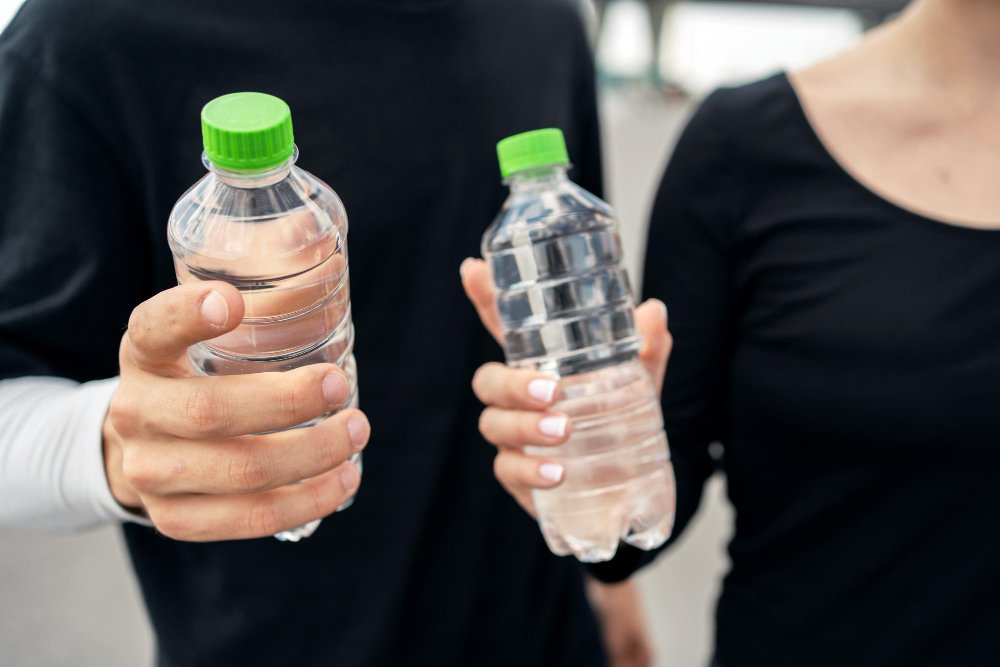
Taste might seem like a small detail, but it has a major impact on daily habits. When water has an unpleasant odor or aftertaste, people often avoid drinking enough of it. They may choose bottled beverages instead, which can become expensive and create unnecessary waste.
A quality filtration system can help improve taste and odor by reducing substances that affect the way water smells and feels. Many families notice that coffee, tea, and homemade meals also taste better when prepared with cleaner water.
RelatedCleaner Water at Home: How Filtration, Softening, and Reverse Osmosis Can Make a Difference
Sometimes, the biggest benefit of a home upgrade is simply making everyday routines more enjoyable. A fresh glass of water after a workout or a cold drink during summer should feel refreshing, not questionable.
Reducing Dependence on Bottled Water
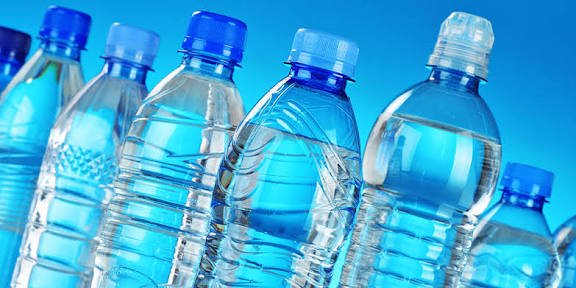
For years, bottled water has been the go-to solution for people who want better-tasting water. It is convenient, but constantly buying bottles can become costly over time. Storage space, plastic waste, and frequent shopping trips are additional concerns.
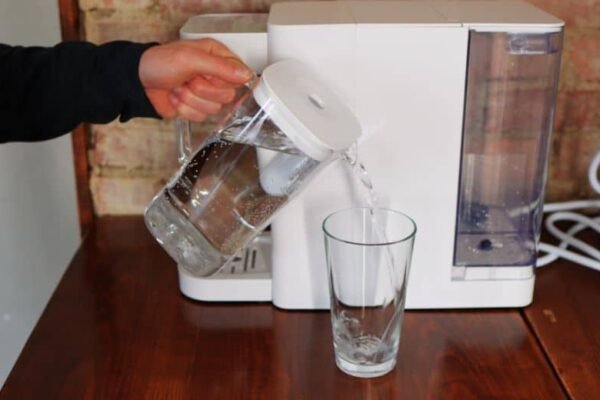
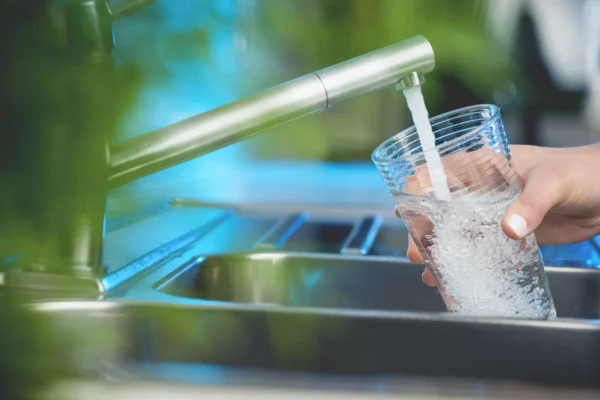
A home filtration system provides a practical bottled water alternative by allowing families to access improved water directly from their own taps. Instead of carrying heavy cases of water from stores, homeowners can enjoy a reliable supply whenever they need it.
This approach also gives people more control. They know where their water comes from, how it is treated, and when maintenance is required.
RelatedWhat Better Drinking Water Really Means for Your Home
Choosing the Right Filtration System for Your Home
Not every home requires the same type of filtration. A household connected to municipal water may have different needs compared to a property using a private well.
Before installing a system, homeowners should consider several factors:
- Current water quality concerns
- Family size and daily water consumption
- Available installation space
- Maintenance requirements
- Long-term operating costs
Water testing is often the best starting point. It provides a clearer picture of what needs to be addressed and helps prevent unnecessary purchases.
A simple system may be enough for improving taste, while another home may benefit from advanced filtration technology designed for multiple concerns.
RelatedWhy Better Water at Home Changes More Than You Think
The Importance of Regular Maintenance
Like any home appliance, water filtration systems require proper care. Filters need replacement at recommended intervals to continue working effectively.
Neglecting maintenance can reduce performance and affect the quality of the water produced. Fortunately, most modern systems are designed with user-friendly maintenance schedules, making it easy for homeowners to keep everything running smoothly.
Regular filter changes are a small task that protects the investment and ensures consistent results.
Creating a Healthier Home Environment
Water is part of nearly every household activity. It supports drinking, cooking, cleaning, and personal care. Improving water quality can contribute to a more comfortable and enjoyable living environment.
RelatedWhy Cleaner Water Is the Quiet Advantage Every Home and Business Can Benefit From
Many homeowners find that once they experience better-quality water, they wonder why they waited so long to make the change. The improvement is often noticeable in simple moments — filling a glass, preparing dinner, or enjoying a morning cup of coffee.
Clean water should feel like a normal part of everyday life, not something complicated or difficult to access.
Final Thoughts
Investing in a home water filtration system is about more than addressing individual water concerns. It is about convenience, confidence, and creating better daily experiences.
With the right system, homeowners can enjoy fresher water, reduce reliance on bottled options, and take a more proactive approach to their household water quality. Whether the goal is better taste, cleaner water, or long-term peace of mind, modern filtration provides a practical solution for today’s homes.