There’s something strangely quiet after a storm passes. The wind settles, the rain disappears, and life seems to return to normal. Most of us step outside, clear a few fallen branches, maybe straighten the patio furniture, and move on with our day.
What often goes unnoticed is what happened several feet above our heads.
A roof absorbs the full force of every storm. Heavy rain, flying debris, hail, and strong winds all leave their mark, even if the damage isn’t immediately visible. While some roofing problems are obvious, many begin as small issues that slowly worsen over weeks or months.
That’s why taking a closer look after severe weather isn’t about being overly cautious—it’s about protecting one of the biggest investments you’ll ever make.
Storm Damage Isn’t Always Easy to Spot
One of the biggest misconceptions homeowners have is that serious roof damage should be obvious.
In reality, that’s rarely the case.
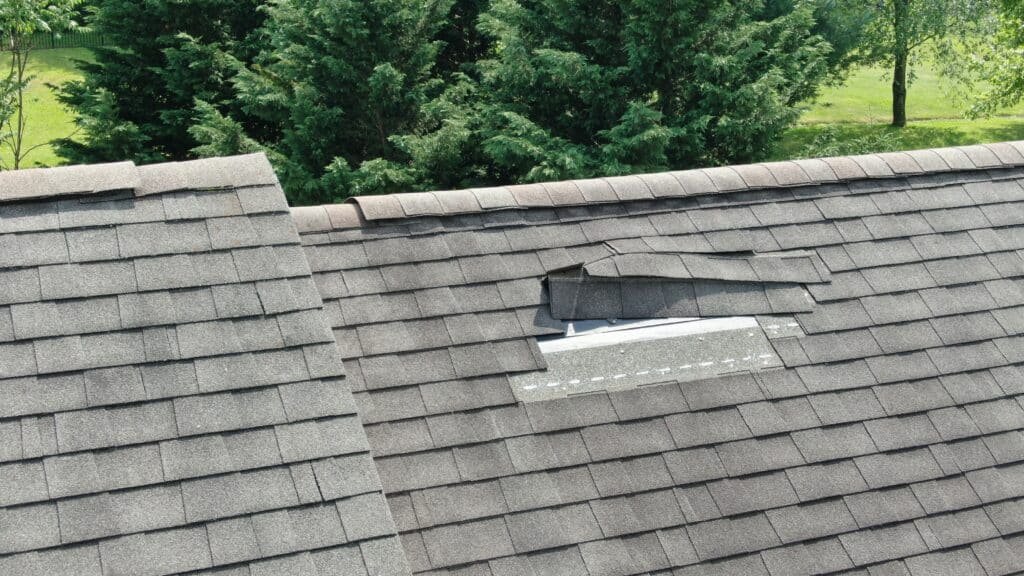
A roof can suffer lifted shingles, cracked flashing, bruised shingles from hail, or loosened seals without showing dramatic signs from the ground. Water often finds tiny openings long before homeowners notice stains inside.
The absence of visible damage doesn’t always mean everything escaped untouched.
Sometimes the most expensive repairs begin with problems that seemed too small to matter.
Missing Shingles Are More Serious Than They Look
A few missing shingles may not seem like an emergency.
After all, if the roof still looks mostly intact, it’s tempting to assume everything is fine.
Unfortunately, shingles work together as a protective barrier. Once even one or two are missing, the materials beneath become exposed to rain, sunlight, and wind. Moisture can gradually work into the underlayment and roof decking, creating conditions for rot and mold long before homeowners notice anything inside.
Replacing a handful of shingles shortly after a storm is usually inexpensive compared to repairing widespread water damage months later.
Quick action almost always pays off.
Water Has a Way of Finding Every Weak Spot
Roofs don’t usually fail all at once.
Water enters through tiny openings, often around flashing, roof valleys, vents, chimneys, or damaged shingles. It then travels beneath roofing materials before finally appearing somewhere completely different inside the home.
That’s why ceiling stains can be surprisingly misleading.
The actual source of a roof leaks may be several feet away from where the water eventually becomes visible indoors.
By the time dripping water reaches a ceiling, insulation may already be saturated, wooden framing may have absorbed moisture, and mold could already be developing in hidden spaces.
Finding and fixing problems early prevents those hidden repairs from becoming much more expensive.
Wind, Hail, and Rain Each Cause Different Damage
Not every storm affects a roof in the same way.
Strong winds can loosen shingles or lift flashing.
Hail may bruise roofing materials without leaving obvious holes.
RelatedSmall Details, Better Performance: What to Look for in a Modern Water Filtration System
Heavy rain exposes weaknesses around roof penetrations and valleys.
Meanwhile, falling tree branches can create immediate structural damage that demands urgent attention.
Because every weather event creates different challenges, a professional inspection after severe storms often reveals problems homeowners would never notice on their own.
Sometimes peace of mind is just as valuable as the inspection itself.
Why Waiting Often Makes Repairs More Expensive
Homeowners sometimes delay roof repairs because the damage doesn’t seem urgent.
It’s an understandable reaction.
Life gets busy, and if water isn’t actively dripping into the house, it’s easy to postpone calling a contractor.
The difficulty is that roofing problems rarely pause while we deal with other priorities.
Moisture continues spreading.
Wood continues absorbing water.
Insulation gradually loses effectiveness.
Minor repairs quietly become major restoration projects.
Addressing damage while it’s still localized almost always costs less than waiting until multiple parts of the roofing system require attention.
Professional Storm Restoration Goes Beyond Visible Repairs
After severe weather, experienced contractors don’t simply replace damaged shingles and leave.
Complete storm restoration often involves inspecting flashing, roof decking, attic ventilation, gutters, fascia, soffits, and other structural components that may have been affected.
Professionals also look for subtle signs of hidden moisture that could create future issues if left untreated.
In many situations, restoration is about preserving the overall health of the roofing system rather than simply fixing what’s immediately obvious.
That comprehensive approach helps homeowners avoid repeat problems months later.
Regular Inspections Are a Smart Habit
Even if your neighborhood hasn’t experienced major storms recently, routine roof inspections remain worthwhile.
A professional inspection every year or two can uncover developing concerns before they lead to expensive repairs.
RelatedThe Everyday Nutrition Blueprint with Small Food Choices, Lasting Benefits
Roofing experts often identify:
- Loose or damaged flashing
- Aging sealants
- Small punctures
- Granule loss
- Soft decking
- Ventilation concerns
- Early moisture intrusion
Many of these issues can be corrected relatively quickly when discovered early.
Think of inspections as preventive maintenance rather than emergency response.
Don’t Forget the Gutters
Gutters play a surprisingly important role in roof performance.
When they’re clogged with leaves, pine needles, or debris, rainwater can’t drain properly. Instead, it backs up beneath shingles and remains trapped where moisture shouldn’t collect.
Keeping gutters clean is one of the simplest and least expensive ways to protect your roof.
It’s not glamorous work, but it prevents a surprising number of roofing problems over time.
Adding gutter guards or scheduling seasonal cleanings can make maintenance even easier.
Choosing the Right Roofing Contractor Matters
Not every roofing company approaches repairs the same way.
An experienced contractor doesn’t just fix symptoms—they identify the underlying cause.
They’ll explain what happened, document the damage, discuss repair options honestly, and recommend solutions that make sense for your roof rather than suggesting unnecessary work.
Checking reviews, verifying licensing and insurance, and asking about warranties are all worthwhile steps before hiring anyone.
A trustworthy contractor becomes a valuable resource whenever future roofing questions arise.
Peace of Mind Is Worth Protecting
Your roof quietly protects everything inside your home every single day.
It shields your family, preserves your belongings, and stands between your house and whatever weather arrives next.
Giving it a little attention after storms isn’t about expecting disaster—it’s about preventing it.
Most roofing problems are far easier to solve when they’re caught early.
Final Thoughts
Storms are an unavoidable part of homeownership, but expensive roofing repairs don’t have to be. Paying attention to early warning signs, scheduling inspections after severe weather, and addressing damage promptly can dramatically extend the life of your roof while protecting your home’s structure.
Whether you’re dealing with a few missing shingles, investigating a small leak, or recovering after a major storm, taking action sooner rather than later is almost always the right choice. A well-maintained roof continues doing its job quietly, season after season, giving you one less thing to worry about no matter what the forecast has in store.