Water is one of those things we tend to take for granted. Turn on the tap, fill a glass, and move on with the day. But when the water smells a little strange, leaves spots on dishes, or tastes noticeably different from bottled water, it gets harder to ignore. Those small signs can raise a bigger question: what’s actually in the water coming into your home?
The answer isn’t always obvious. Water can contain naturally occurring minerals, sediment, chlorine, metals, or other substances picked up along the way. That doesn’t automatically mean the water is unsafe, but it does mean that understanding your household supply is worth the effort. Good filtration and treatment aren’t just about convenience. They can make everyday water more pleasant while helping you make smarter decisions about your home’s plumbing and drinking water.
Why Water Quality Can Vary From One Home to Another
Two homes on the same street can have surprisingly different water experiences. Municipal water typically goes through treatment before reaching consumers, but its characteristics can still change because of the source, local infrastructure, seasonal conditions, or the plumbing inside a particular property.
Homes that use private wells have another layer to consider. Groundwater can naturally contain minerals such as calcium, magnesium, iron, or manganese. In some areas, sulfur compounds can also create that familiar rotten-egg smell. None of these issues can be identified reliably just by looking at a glass of water.
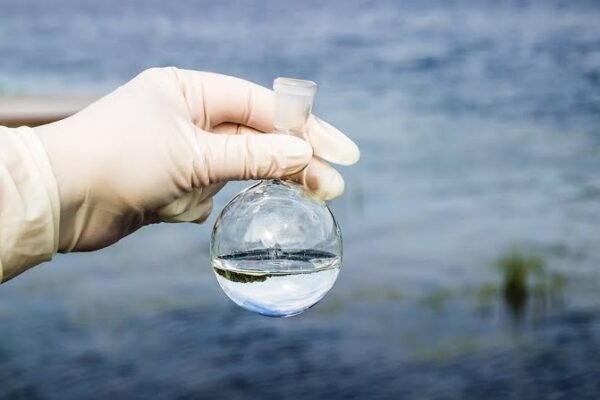
That’s why water quality should be evaluated based on actual conditions rather than assumptions. A water test can provide useful information about what’s present and whether treatment is necessary. It’s a much better starting point than buying a filtration system simply because a neighbour recommended one.
The Everyday Signs That Your Water Needs Attention
Sometimes water problems announce themselves quietly.
White or chalky deposits around faucets may point to hard water. Orange or reddish staining can be associated with iron. A strong chlorine taste may be noticeable after filling a glass. Cloudy water, unusual odours, or recurring sediment are other signs worth investigating.
Then there are the less obvious annoyances. Soap may not lather properly. Clothes can feel stiff after washing. Shower doors may develop stubborn mineral deposits. Coffee and tea might taste slightly off. Individually, these things seem minor. Together, they can become a daily headache.
RelatedCleaner Water at Home: How Filtration, Softening, and Reverse Osmosis Can Make a Difference
For many households, the goal is simply better tasting water that feels pleasant to drink straight from the tap. Treatment can sometimes make a surprisingly noticeable difference, particularly when taste and odour are caused by substances that a suitable filter is designed to reduce.
Filtration Isn’t One-Size-Fits-All
One of the most common mistakes homeowners make is assuming every water filter does the same job. It doesn’t.
Different technologies target different concerns. Sediment filters can help remove particles such as sand, dirt, and rust. Activated carbon filters are commonly used to reduce chlorine, certain tastes, and odours. Water softeners are designed primarily to address hardness minerals, particularly calcium and magnesium.
Reverse osmosis systems work differently and can reduce a broader range of dissolved substances, depending on the system and membrane. However, they’re generally used for specific drinking-water applications rather than as a universal answer to every household water issue.
The right approach depends on what’s actually in the water. A system that works beautifully in one home may be unnecessary or poorly suited to another.
RelatedWhy Understanding Your Water Is the First Step to a Healthier Home
Whole-Home Treatment vs. Drinking Water Filtration
Another important decision is where treatment should happen.
A point-of-use system, such as a filter installed beneath the kitchen sink, focuses on water used for drinking and cooking. It can be a practical choice when the main concern is taste or specific contaminants in drinking water.
Whole-home treatment takes a different approach. Water is treated as it enters the property, so showers, bathroom faucets, laundry machines, and other fixtures receive treated water as well. This can make sense when hardness, sediment, odour, or other issues affect the entire household.
Neither option is automatically better. It comes down to the problem, the household’s priorities, and the available budget. In some homes, a combination of technologies makes the most sense.
Testing First Can Save You Money
It’s tempting to start shopping for equipment immediately, especially when there are dozens of systems promising dramatic improvements. But purchasing first and testing later can easily lead to wasted money.
RelatedHow Modern Water Filtration Helps Create Cleaner, Better-Tasting Water at Home
A basic water analysis can help identify hardness, pH, iron, chlorine, total dissolved solids, and other relevant characteristics. Depending on the water source and local concerns, additional testing may be appropriate.
Once you know what you’re dealing with, choosing treatment becomes much more straightforward. You’re no longer guessing based on taste, internet reviews, or a salesperson’s generic recommendation.
And there’s another benefit: testing establishes a baseline. If you install a treatment system later, you can compare results and determine whether it’s actually doing what you expected.
Don’t Forget About Maintenance
Even a high-quality filtration system needs attention. Filters eventually become saturated. Softener systems may require salt or other maintenance. Components can wear out, and neglected equipment can perform less effectively over time.
Following the manufacturer’s replacement and maintenance recommendations is important, but homeowners should also pay attention to changes in their water. A sudden return of an unpleasant taste, odour, pressure issue, or visible sediment may be a sign that something needs checking.
RelatedWhy Cleaner Water Is the Quiet Advantage Every Home and Business Can Benefit From
It’s easy to forget about a filter tucked away under a sink or in a utility area. Set reminders if necessary. A little routine maintenance is far easier than discovering the system stopped working months ago.
Better Water Can Make Daily Life Feel Different
The benefits of treatment aren’t always dramatic or flashy. Sometimes they’re wonderfully ordinary.
You fill a glass without thinking twice. Your morning coffee tastes cleaner. You stop scrubbing mineral deposits from the faucet every few days. Your shower feels better. You’re less dependent on plastic bottles because cleaner water is readily available at home.
Those small improvements add up.
Still, water treatment should never be approached as a universal cure-all. If you have concerns about the safety of your drinking water, especially after a known contamination event, flooding, plumbing failure, or change in private-well conditions, proper testing and professional advice matter more than simply installing a filter.
RelatedWhen It’s Time to Upgrade Your Water System: A Smarter Way to Improve Home Water Quality
A Smarter Way to Think About Your Home’s Water
Good water treatment starts with a simple idea: understand the problem before trying to solve it.
Test the water. Identify the substances that need attention. Decide whether you need drinking-water filtration, whole-home treatment, softening, or a combination of solutions. Then choose equipment designed for those specific needs.
There’s no need to make water treatment complicated. In fact, the best solution is often the one that quietly does its job without becoming another thing you have to worry about.
Water is part of nearly every routine at home, from brushing your teeth in the morning to washing dishes after dinner. When it works well, you barely notice it. When it doesn’t, you certainly do. Taking the time to understand your water can turn that everyday frustration into something much simpler: confidence in what comes from your tap.