
Table of Contents
- Why Supply Chain Quality Matters
- Main Risks in Medicine Distribution
- Supplier Review Checks
- Storage Controls
- Temperature Monitoring and Cold-Chain Care
- Traceability and Inventory Control
- Transportation and Delivery Handoffs
- Recall Readiness
- Technology for Oversight
- 2026 Review Checklist
- Common Questions
Across Canada, medicine quality depends on far more than the work completed at a manufacturing facility. From winter delivery routes and summer heat exposure to warehouse receiving bays and clinic storage rooms, every handoff matters. Organizations sourcing pharmaceutical products Canada should treat supply chain oversight as a practical patient-safety responsibility, not simply a purchasing task.
A product may arrive in its original packaging and still require review if it has been stored incorrectly, exposed to unsuitable temperatures, damaged in transit, or separated from its batch and expiry information. Strong controls help hospitals, pharmacies, clinics, and distributors protect inventory, reduce avoidable waste, and respond quickly when a quality concern arises.
Why Supply Chain Quality Matters
The quality of the medicine must be maintained after release and throughout storage, distribution, and receipt. This is especially important in Canada, where long-distance shipments, seasonal weather changes, and transfers between carriers can create added handling challenges. Clear procedures make it easier to verify that a product was managed in accordance with its labeled requirements.
Quality controls also support continuity of care. When teams can identify available stock, rotate products before expiry, and promptly isolate questionable items, they are better positioned to avoid dispensing delays and unnecessary replacement orders.
The Main Risks in Medicine Distribution
Most supply chain failures begin with ordinary operational gaps. Common risks include:
- Temperature changes during storage, loading, or delivery.
- Short-dated products being picked ahead of suitable stock.
- Damaged outer cartons, leaking packs, or broken tamper evidence.
- Missing lot, batch, quantity, or expiry details.
- Products placed in the wrong area after receiving.
- Unclear supplier documentation or delayed responses to concerns.
- Slow communication when a hold, complaint, or recall is initiated.
Checks to Make Before Choosing a Supplier
Price and availability matter, but they are not enough to establish a dependable supplier relationship. A review should confirm that the supplier can explain how it obtains, stores, documents, and delivers products.
Key Questions to Ask
- Does the supplier hold the licenses required for its activities?
- Can it provide product source, batch, and expiry details?
- Are procedures in place for returns, damaged stock, recalls, and temperature deviations?
- Who is responsible for quality questions outside normal business hours?
- Can the supplier provide delivery conditions or temperature information when the product requires it?
A documented review should include the decision, known risks, escalation contacts, and a reassessment date. In Canada, businesses involved in regulated drug activities should understand how distribution records support tracing and recall activities across the supply chain.
Storage Controls That Protect Product Quality
Orderly storage protects products before they leave the facility. Separate approved inventory from products that are quarantined, returned, damaged, expired, or recalled. Clearly marked zones reduce the chance that staff will mistakenly select unsuitable stock.
Storage areas should be clean, secure, and organized so staff can inspect packages and read labels without moving excessive inventory. Keep products away from direct sunlight, moisture, and unnecessary heat. Use a first-expiry, first-out approach when appropriate, and investigate discrepancies between physical inventory and system records.
Temperature Monitoring and Cold-Chain Care
Temperature control involves more than daily thermometer checks. Monitoring records conditions over time, while temperature mapping finds warmer or cooler areas in a room or vehicle. Both guide the placement of products and sensors. Devices should be appropriate, maintained, and reviewed regularly. In case of excursions, affected products need identification, holding, and data assessment. Canadian guidance emphasizes controlling storage and transport conditions throughout the supply chain.
Traceability, Records, and Inventory Control
Traceability means being able to follow a product from receipt through storage and distribution. At a minimum, teams should be able to connect product name, strength, quantity, lot or batch number, expiry date, receiving date, storage location, and delivery destination.
A Simple Record-Keeping Test
- Where did this product come from?
- Where is it now?
- Which customers, sites, or departments received the same batch?
If those questions cannot be answered promptly, the process needs improvement. Paper and digital records should agree, and returns, complaints, and investigations should be documented consistently.
RelatedHow To Choose A Hunting Rifle For Canadian Terrain In 2026
Safe Transportation and Delivery Handoffs
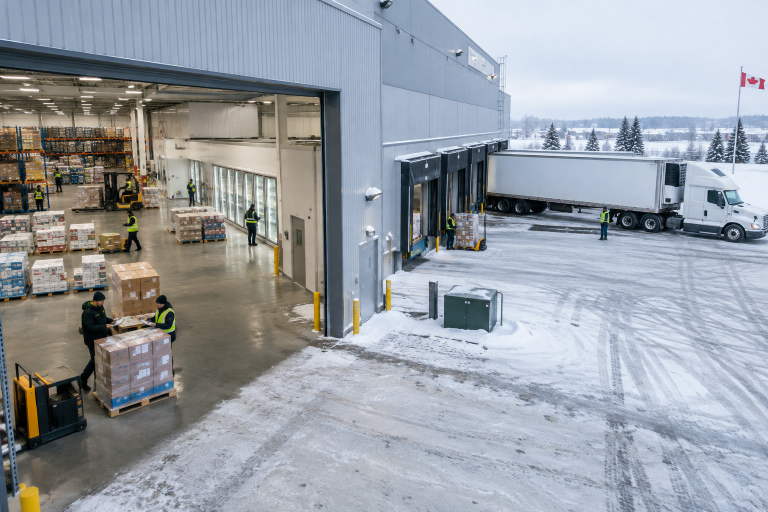
Control does not end when an order leaves the warehouse. Packaging should suit the product, expected route, and delivery duration. Teams should reduce delays at loading docks, protect shipments from weather, and define who checks product condition at each handoff.
Upon receipt, staff should confirm that the shipment is intended for their site, inspect the packaging for visible concerns, move the products to the required storage area without unnecessary delay, and record any exceptions. This is particularly valuable during Canadian cold snaps and heat events, when ambient conditions can change quickly.
Building a Recall-Ready Process
A recall plan is most useful before an urgent call arrives. It should identify decision-makers, contact lists, product-hold procedures, communication methods, and record requirements.
- Identify the affected product and lot or batch.
- Stop distribution and segregate affected inventory.
- Use records to locate products already shipped.
- Notify the appropriate internal and external contacts.
- Reconcile returned, remaining, and disposed quantities.
- Document actions, decisions, and follow-up improvements.
Useful Technology for Supply Chain Oversight
Barcode scanning, expiry alerts, electronic delivery records, temperature sensors, and supplier scorecards can improve visibility. However, technology does not replace trained people. Alerts must be reviewed, deviations must be investigated, and records must reflect what actually happened in the operation.
A Practical 2026 Review Checklist
- Supplier qualifications and contacts are current.
- Storage zones match product requirements.
- Temperature equipment is maintained and reviewed.
- Batch and expiry details are recorded accurately.
- Quarantined, returned, and recalled stock is clearly separated.
- Delivery partners follow written handling expectations.
- Staff know how to report damage, delays, and excursions.
- Recall procedures and contact lists are tested periodically.
Common Questions
Why is temperature control important for medicines?
Some medicines have specific labeled storage requirements. Readings outside the permitted range may require assessment before the product is released for use.
What should happen after a temperature excursion?
Identify the affected products, preserve relevant records, place stock on hold when appropriate, and have a qualified person determine the next step. Appearance alone is not enough to confirm product quality.
Can technology prevent every supply chain problem?
No. Technology improves visibility and speed, but reliable outcomes still require clear procedures, trained staff, suitable equipment, and timely action.
Final Thoughts
Reliable medicine supply chains are built through connected, repeatable controls. Careful supplier selection, clean storage, temperature oversight, accurate inventory records, secure transport, and recall readiness all protect product quality. For Canadian healthcare teams, making these controls visible and actionable supports safer service for the communities that depend on them.