Key Takeaways
- Terrain, game, expected range, and walking distance should drive the decision.
- Cartridge choice should balance ethical performance, recoil, availability, and cost.
- A reliable scope, secure mounts, and consistent practice matter as much as the rifle itself.
- Always confirm current federal, provincial, and territorial rules before purchasing, transporting, or hunting with a firearm.
Choosing a hunting rifle for Canada is less about finding the most powerful option and more about matching dependable equipment to the country, game, weather, and distances you actually expect to face. Hunters comparing lawful, field-ready options can browse hunting rifle Canada listings from Al Flaherty’s Outdoor Store. Based in Toronto, Ontario, this established outdoor retailer carries a dedicated selection of unrestricted rifles, along with ammunition, optics, mounts, cases, and other shooting supplies for hunters in Ontario and across Canada.
The right choice should feel manageable in your hands, perform consistently under the conditions you hunt in, and allow enough comfortable practice to build confidence. A rifle that looks ideal on paper is not necessarily the one you will carry well through wet bush, steep ground, or a full day in a blind.
Start With The Terrain
Canada is not one hunting environment. Open prairie and cutlines can create longer sightlines, where a clear scope and a cartridge that you shoot accurately at a distance are useful. Thick Ontario bush often rewards a shorter, handier rifle and lower magnification because shots may come quickly through narrow openings. In mountain country, every extra pound becomes noticeable after a long climb. In wet coastal, northern, or late-season conditions, simple controls and corrosion-resistant finishes deserve added attention.
For example, a longer, heavier rifle that feels steady from a prairie rest may become tiring and awkward while moving quietly through dense hardwoods. Choose the ground you hunt most often, not only the occasional dream hunt.
Match The Rifle To The Game
Start with the species you are legally pursuing and the realistic shot opportunities you expect. Small game, deer, black bear, elk, and moose do not place identical demands on a rifle or bullet. Larger animals generally call for suitable bullet weight and construction, while deer hunting may allow more moderate cartridges that many shooters handle comfortably.
Ethical range is personal and practical. It depends on your demonstrated accuracy, wind judgment, shooting position, visibility, and ability to identify a safe shot. Advertised long-range capability should never replace restraint in the field.
Choose The Right Action Type
Bolt-Action Rifles
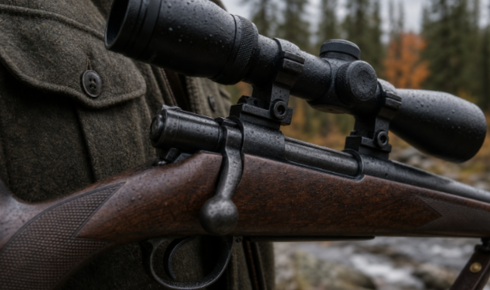
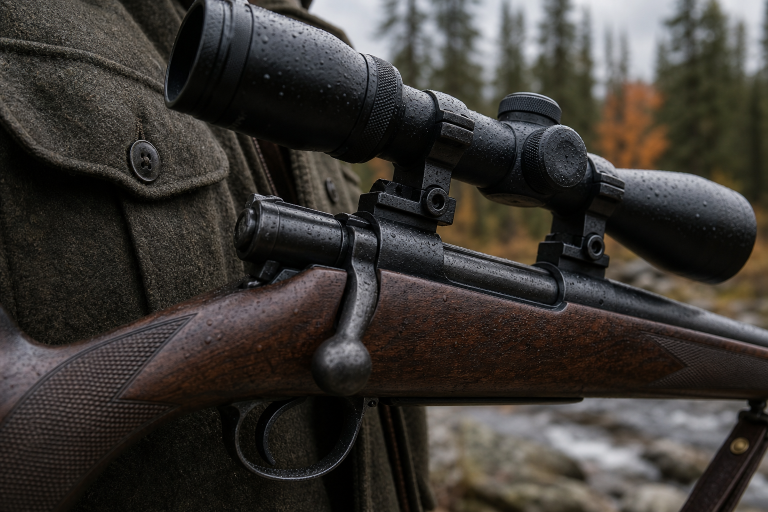
Bolt actions remain common because they are straightforward, widely available, and offered in many hunting cartridges. They can be accurate, durable, and easy to maintain when used responsibly.
Lever-Action Rifles
Lever actions can be compact and quick to cycle, qualities some hunters appreciate in close cover and at shorter distances. Their cartridge choices and practical range vary by model.
Semi-Automatic Rifles
Semi-automatic designs can offer quicker follow-up shots, but classification, magazine, transport, and hunting-use rules require especially careful verification before purchase or travel.
Single-Shot And Other Designs
Single-shot rifles appeal to some hunters for their simplicity, lighter carry weight, and deliberate handling. They also reinforce the value of making the first shot count.
Pick A Practical Cartridge
Compare cartridges by asking practical questions: What game will you hunt? At what distance can you reliably shoot? Can you afford enough ammunition to practice? Is it readily available where you live and travel? Common choices such as .243 Winchester, .270 Winchester, .308 Winchester, .30-06 Springfield, and 7mm Remington Magnum each have established roles, but no cartridge is automatically best for every Canadian hunter.
Recoil matters because a cartridge only helps when you can shoot it calmly and accurately. A well-practiced hunter using a manageable cartridge is often better prepared than someone who avoids range time because their rifle is unpleasant to fire.
RelatedThe Three-Part Checkup: How Luxury Cars Should Be Restored After Collision Damage In 2026
Balance Weight, Recoil, And Handling
Light rifles are easier to carry over long distances, yet they can produce sharper felt recoil and may be harder to hold steady. Heavier rifles often feel more stable and comfortable during firing, but become burdensome on remote hunts. Shoulder an unloaded rifle before buying. Check the length of pull, cheek position behind the scope, balance, sling attachment points, and whether you can safely reach every control.
Build A Reliable Optics Setup
A dependable scope and secure mounts can add more practical value than extra features on the rifle. Lower magnification helps in close cover, while a versatile magnification range suits mixed terrain. Prioritize clear glass, enough eye relief, a visible reticle, and dependable low-light performance. Zero the rifle with the exact hunting ammunition you intend to use, then practice from realistic supported, kneeling, and standing positions.
Prepare For Canadian Weather
Cold affects batteries, lubricants, visibility, and finger dexterity. Rain, snow, mud, and condensation can affect optics and metal surfaces. Carry a lens cloth, compact cleaning supplies, spare batteries where needed, protective covers, and gloves that allow safe control without interfering with the trigger. After a wet day, dry the rifle and inspect it before storing it securely.
Review Licensing And Firearm Rules
Canadian rules affect licensing, firearm classification, safe storage, transport, ammunition purchases, and the lawful use of particular rifle types. Confirm the current requirements through the Government of Canada firearms information before acquiring or traveling with a rifle. Also read the regulations for the province or territory where you will hunt, including season dates, approved methods, tags, local discharge restrictions, and species-specific requirements.
Ontario hunters should consult the current Ontario Hunting Regulations Summary before each season. Regulations can change, and a lawful rifle setup in one location or season may not be appropriate in another.
Set A Realistic Budget
The rifle is only one part of the complete setup. Reserve funds for a scope, mounts, ammunition, sling, protective case, cleaning supplies, secure storage, and range time. A dependable mid-range rifle with quality mounts and optics is usually more useful than an expensive rifle paired with poor glass or too little practice ammunition.
Use A Pre-Season Checklist
- Confirm your license, tags, and hunting documents.
- Verify firearm classification, storage, and transport requirements.
- Inspect the rifle, sling, scope, mounts, and ammunition.
- Zero with hunting ammunition and practice from field positions.
- Pack weather protection, cleaning items, and eye and ear protection for range use.
- Review current provincial or territorial hunting regulations before departure.
Final Thoughts
The right hunting rifle is the one that fits the shooter, suits the terrain, matches the game, and can be used safely and legally. Focus on reliable equipment, regular practice, honest range limits, and careful preparation. Those fundamentals matter far more than chasing the newest cartridge or the most powerful rifle available.