The rise of the Avaasa Living Podcast reflects a growing global interest in sustainable architecture, intelligent interiors, and future-focused lifestyles that combine comfort with environmental responsibility. Across modern cities, homeowners are seeking spaces that not only look luxurious but also support healthier and smarter ways of living.
The Evolution of Luxury Living
Luxury homes have transformed significantly over the last decade. Traditional ideas of elegance were once centered on oversized spaces, extravagant materials, and decorative appeal alone. Today, the meaning of luxury has expanded to include sustainability, technology integration, and long-term functionality. Homeowners now value properties that reduce environmental impact while improving everyday convenience.
Modern developers and designers are moving toward eco-conscious construction methods that support energy efficiency without compromising visual appeal. Solar integration, smart lighting systems, sustainable insulation, and intelligent climate control are becoming standard features in premium residential developments. These innovations allow homeowners to enjoy sophisticated lifestyles while reducing utility consumption and environmental waste.
The demand for smarter homes is also changing the way architects approach residential planning. Open spaces, natural ventilation, and adaptive designs are now considered essential components of modern luxury properties. This shift highlights a broader cultural movement toward mindful living and responsible investment in real estate.
Sustainability as the New Standard
Sustainability is no longer viewed as a niche concept in real estate. It has become an expectation among buyers who understand the long-term value of environmentally responsible housing. From eco-friendly construction materials to water-saving technologies, sustainable practices are reshaping residential development across the world.
Many homeowners are now interested in properties that offer reduced carbon footprints and healthier indoor environments. Green building certifications and renewable energy systems are influencing purchasing decisions more than ever before. This trend demonstrates how sustainability has evolved into a defining factor of premium living.
RelatedWhy More Families Are Choosing Reverse Osmosis Water Systems for Everyday Living
The conversations explored through Avaasa Living emphasize how sustainability and comfort can coexist harmoniously. Rather than sacrificing aesthetics for efficiency, modern luxury homes are proving that environmentally conscious design can enhance beauty, sophistication, and functionality simultaneously.
Developers are also recognizing the financial advantages associated with sustainable homes. Energy-efficient systems reduce operational costs over time, while eco-conscious properties often maintain stronger market value. As environmental awareness grows globally, sustainable housing is becoming a practical and profitable investment.
Smart Technology Redefining Modern Homes
Technology has become one of the most influential elements in residential design. Smart homes are no longer futuristic concepts reserved for high-end experimental projects. They are now part of everyday living for many modern homeowners seeking convenience, security, and personalized experiences.
Automated lighting, voice-controlled systems, advanced security monitoring, and intelligent appliances are transforming the relationship between residents and their homes. These technologies create seamless living experiences while improving energy efficiency and comfort levels.
RelatedThe Three-Part Checkup: How Luxury Cars Should Be Restored After Collision Damage In 2026
The integration of artificial intelligence into residential environments is also opening new possibilities. Smart systems can now learn homeowner preferences, regulate temperatures automatically, optimize energy usage, and even improve indoor air quality. This level of personalization allows homes to adapt dynamically to daily routines and lifestyle patterns.
Avaasa Living frequently highlights the importance of balancing technological advancement with human-centered design. Technology should enhance well-being rather than overwhelm living spaces. This philosophy is shaping the future of smart residential communities around the world.
As urban populations continue to grow, intelligent infrastructure will play a vital role in improving residential sustainability. Smart design solutions can help cities manage resources more efficiently while creating safer and more connected communities.
The Role of Design in Emotional Well-Being
Modern architecture is increasingly focused on emotional wellness and mental health. Designers are recognizing how living environments directly affect mood, productivity, and overall quality of life. As a result, residential spaces are becoming more thoughtful, calming, and wellness-oriented.
RelatedWhy Modern Water Coolers Are Becoming a Smarter Choice for Homes and Workplaces
Natural lighting, indoor greenery, minimalist layouts, and multifunctional spaces are now central to contemporary home design. These features create peaceful environments that support relaxation and emotional balance. The growing popularity of wellness architecture reflects a deeper understanding of how surroundings influence human behavior and health.
Luxury homeowners are also placing greater importance on personalization. Rather than following rigid design trends, people want homes that reflect their identities and lifestyles. Flexible layouts, adaptable furniture, and customized technology systems allow residents to create more meaningful and comfortable living experiences.
This human-centered approach is one of the defining characteristics of the modern housing movement. By prioritizing wellness alongside sustainability and technology, the future of luxury homes becomes more holistic and purposeful.
RelatedWhy Water Treatment Matters More Than Ever for Homes, Businesses, and Growing Communities
Urban Living and the Future of Residential Communities
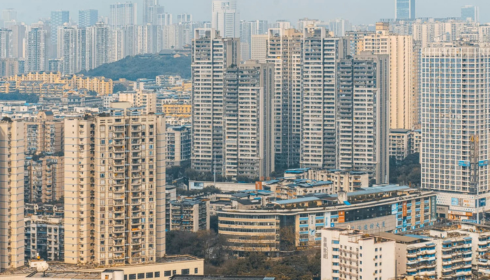
Rapid urban development is creating new opportunities and challenges for the housing sector. Cities around the world are experiencing increased demand for residential communities that combine convenience, sustainability, and connectivity.
Mixed-use developments are becoming increasingly popular because they integrate residential, commercial, and recreational spaces within a single environment. These communities encourage walkability, reduce transportation dependency, and create stronger social interaction among residents.
The future of urban housing also involves smarter infrastructure systems that improve resource management and environmental performance. Water recycling systems, renewable energy networks, and green transportation options are expected to become standard features in upcoming residential projects.
Avaasa Living explores how these innovations are influencing modern urban lifestyles. The focus is shifting from isolated luxury properties toward connected communities that promote sustainability, collaboration, and long-term livability.
RelatedWhy More Homes and Businesses Are Choosing Bottleless Water Systems Over Bottled Water
Developers are now understanding that future residents seek more than visual appeal alone. They want homes that support flexible work arrangements, healthier living habits, and stronger social connections. This evolving mindset is reshaping the priorities of the global real estate industry.
Conclusion
The future of luxury housing lies at the intersection of sustainability, technology, and thoughtful design. Homeowners are increasingly choosing properties that support environmental responsibility while delivering comfort, efficiency, and emotional well-being. Smart homes and sustainable communities are no longer temporary trends but essential elements of modern living.
Through insightful discussions and forward-thinking perspectives, Avaasa Living continues to highlight how innovation is redefining residential experiences across global markets. As conversations around eco-conscious architecture and intelligent design continue to grow, platforms such as Dubai podcasts are playing an important role in shaping awareness around the future of real estate, luxury lifestyles, and sustainable urban development.