Water is one of those things most of us barely think about until something seems off. Maybe the tap water smells a little strange, glasses come out of the dishwasher covered in spots, or the shower leaves behind a stubborn white film. Sometimes, the problem is more than an annoyance. The quality of household water can affect plumbing, appliances, cooking, bathing, and everyday comfort.
That’s why many homeowners are taking a closer look at water treatment. But with so many options available, it can be difficult to know what actually makes sense. Filtration, softening, and reverse osmosis all solve different problems, and choosing the right approach starts with understanding what’s in your water.
Why Household Water Quality Matters
Municipal and private water supplies can contain a variety of minerals, sediments, and other substances. The exact makeup depends heavily on where you live and where your water comes from.
Hard water, for example, contains elevated levels of minerals such as calcium and magnesium. It isn’t usually considered a health concern by itself, but it can create plenty of household headaches. Scale may build up inside pipes, faucets, showerheads, water heaters, and appliances. Soap can also struggle to lather properly, leaving skin feeling dry and surfaces looking dull.
Then there are issues such as unpleasant tastes, odors, sediment, or certain contaminants that standard municipal treatment may not completely address at the point of use.
Testing the water is a sensible first step. Otherwise, it’s easy to spend money treating a problem you don’t actually have.
Whole-House Filtration for Everyday Water
For homeowners who want cleaner water throughout the property, whole home water filtration can be a practical option. Unlike a small filter attached to a single faucet, a whole-house system treats water as it enters the home.
That means filtered water can reach showers, bathroom sinks, kitchen faucets, laundry areas, and other fixtures.
RelatedHow Modern Water Filtration Helps Create Cleaner, Better-Tasting Water at Home
The type of filter matters, though. Carbon filtration is commonly used to improve taste and odor and reduce certain substances, while sediment filters can capture particles such as sand and rust. More specialized filtration systems are available for particular water-quality concerns.
There’s no universal filter that removes everything. That’s worth remembering because marketing sometimes makes water treatment sound far simpler than it really is.
A properly selected system should match the actual characteristics of the household water supply.
Understanding Water Softening
If mineral buildup is the main concern, water softening may be more appropriate than ordinary filtration.
A traditional water softener uses an ion-exchange process to reduce calcium and magnesium, the minerals primarily responsible for hardness. The result can be noticeably different around the house. Faucets may stay cleaner, shower doors can develop less scale, and water heaters and other appliances may experience less mineral accumulation.
RelatedWhy Cleaner Water Is the Quiet Advantage Every Home and Business Can Benefit From
Softened water can also make soaps and detergents work more effectively. Some people notice the difference immediately, while others simply appreciate having fewer white spots to scrub away every weekend.
It’s important to distinguish softening from filtration, however. A softener is designed mainly to address hardness; it isn’t a substitute for a drinking-water purification system.
Where Reverse Osmosis Fits In
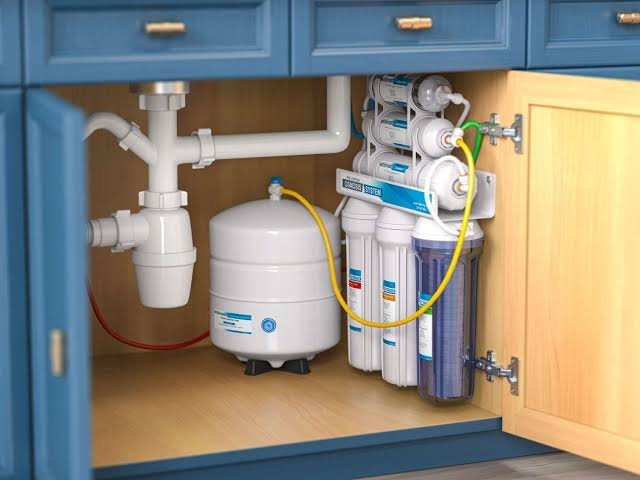
For drinking and cooking water, reverse osmosis is often considered when homeowners want a more thorough treatment process. reverse osmosis uses a semipermeable membrane to reduce many dissolved substances from water.
Because the process is more intensive, reverse osmosis systems are commonly installed under a kitchen sink rather than used to treat every gallon entering the house.
This setup can be useful for families who want treated water specifically for drinking, preparing food, making coffee, or filling water bottles. Depending on the system and water chemistry, additional filtration stages may be included before or after the membrane.
RelatedWhy More Families Are Choosing Reverse Osmosis Water Systems for Everyday Living
One thing people sometimes overlook is maintenance. Filters and membranes need to be replaced according to the manufacturer’s recommendations. A neglected system may not perform as intended, so buying the equipment is only part of the job.
Do You Need One System or Several?
This is where things get interesting. A home doesn’t necessarily need every type of water treatment.
For instance, a household with moderately hard water but otherwise acceptable quality might benefit primarily from a softener. Another home could have relatively soft water but deal with unpleasant taste or sediment, making filtration more useful.
In some situations, homeowners use a combination: whole-house filtration for general water quality, a softener for hardness, and reverse osmosis at the kitchen sink for drinking water.
The right combination depends on the source water, household priorities, plumbing setup, budget, and maintenance expectations.
RelatedWhat to Look for in a High-Performance Drinking Water Filtration System
Start With a Water Test
Before choosing equipment, test the water. It sounds obvious, yet it’s an easy step to skip when a salesperson has already recommended a particular system.
A quality water test can identify hardness and provide information about other characteristics that may influence treatment choices. Private well owners should be especially careful about regular testing because well-water conditions can vary and aren’t managed in the same way as municipal supplies.
Once you know what you’re dealing with, the decision becomes much less mysterious.
Think About Long-Term Maintenance
Water treatment equipment isn’t completely hands-off. Filters need changing, softeners may require salt or other maintenance, and reverse osmosis membranes eventually need replacement.
Installation costs matter, but so do ongoing expenses. A cheaper system that requires frequent replacement may cost more over several years than a better-designed system with reasonable maintenance requirements.
RelatedSmall Details, Better Performance: What to Look for in a Modern Water Filtration System
It’s also smart to consider available space, water pressure, drainage requirements, and the manufacturer’s service recommendations before installation.
Better Water Starts With the Right Solution
There’s no single “best” water treatment system for every home. Water quality varies, and so do household needs.
The smartest approach is fairly simple: understand your water first, identify the problem you actually want to solve, and then choose equipment designed for that specific purpose. Filtration can improve general water quality, softening can tackle troublesome hardness, and reverse osmosis can provide more intensive treatment for drinking water.
In the end, good water treatment isn’t really about buying the biggest or most expensive system. It’s about getting the right treatment in the right place. When that happens, the benefits can show up in small everyday ways—from cleaner fixtures and better-tasting water to appliances that simply have an easier time doing their jobs.