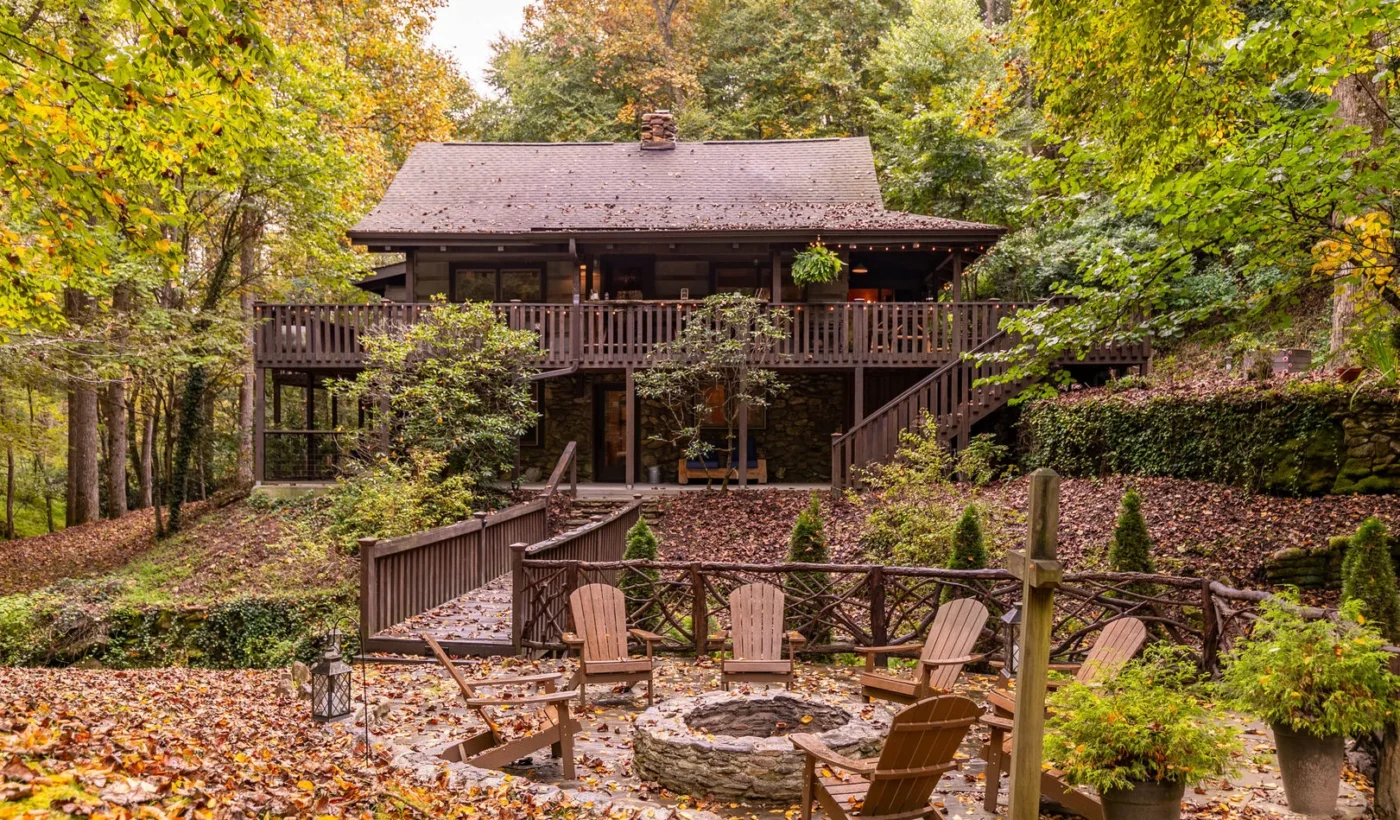
A home has a way of revealing itself slowly. At first, you might notice the beautiful flooring or the color of the walls. After spending a little time there, other things begin to stand out: the way sunlight reaches the dining table, how easily you can move from the kitchen to the living room, or how a quiet corner seems made for a morning coffee. These are the details that turn a well-designed interior into a place that genuinely feels like home.
Creating that feeling takes more than following trends or choosing expensive finishes. It requires an understanding of the building, the people who live in it, and the small everyday experiences that shape how a space is used. A beautiful room should certainly make an impression, but it should also feel comfortable on an ordinary Tuesday when there’s laundry waiting and dinner still needs to be made.
The most rewarding interiors bring these practical and personal elements together. They have character without feeling forced, and they look considered without losing the warmth that makes a home inviting.
Let the Property Tell Part of the Story
Every home begins with its own set of possibilities. Some properties have generous windows and high ceilings, while others offer compact rooms, unusual corners, or original architectural details that deserve a second look. Understanding these features is a useful first step toward making better design decisions.
Rather than immediately planning what to remove or replace, consider what already works. An older timber floor might bring warmth to an otherwise contemporary interior. A large window could become the natural focal point of a living room. Even an awkward alcove might offer an opportunity for built-in shelving or a small reading nook.
The same principle applies to newer properties. A simple layout can provide an excellent foundation for thoughtful lighting, carefully selected materials, and furniture that suits the proportions of the rooms.
A design doesn’t need to fight against the building to make it distinctive. Sometimes the strongest results come from recognizing the property’s existing qualities and finding ways to bring them forward.
Making Everyday Spaces More Comfortable
Good design often reveals its value through the smallest improvements. A hallway with proper storage feels less cluttered. A dining area with enough clearance around the table becomes easier to use. A living room with several lighting options can shift from a bright daytime gathering space to somewhere relaxing in the evening.
RelatedHow the Right Water Treatment Solution Can Improve Everyday Life at Home
These changes may not seem dramatic individually, but their combined effect can be significant.
Start by observing how people move through the home. Are there places where everyone tends to gather? Does furniture block a natural walking route? Are frequently used items stored somewhere inconvenient? Answering these questions helps establish priorities before money is spent on decorative upgrades.
Storage is particularly important because clutter can undermine even a carefully styled room. Closed cabinets, fitted wardrobes, and practical drawer systems can keep everyday belongings accessible without leaving every surface occupied. The right solution depends on the household, of course. A family with young children will have different needs from someone living alone or working from home.
Comfort also involves choosing materials that suit real life. Soft upholstery may create a welcoming atmosphere, but durability and cleaning requirements matter too. Flooring should be selected according to foot traffic, moisture exposure, and the amount of maintenance you’re prepared to handle.
A beautiful home should make daily routines easier, not introduce another list of things to worry about.
Finding Inspiration in Local Character
The surrounding area can offer ideas that feel more meaningful than simply following a popular interior trend. Architecture, landscape, natural light, and local building materials can all influence how a home might look and feel.
RelatedSmall Details, Better Performance: What to Look for in a Modern Water Filtration System
For instance, a property near olive street might inspire a design approach that feels connected to its surroundings, depending on the character of the location. Warm timber, natural textures, subtle greenery, or a restrained palette could provide a starting point. The important thing is to understand the actual property rather than assume that one style suits every home in a particular area.
Location can also influence practical decisions. Strong sunlight may call for thoughtful window treatments, while a cooler climate might make layered textiles and warmer finishes especially appealing. If a property has a view worth enjoying, furniture placement can help preserve that connection instead of directing attention toward an interior wall.
These choices don’t have to be literal. A home doesn’t need to reproduce its surroundings through obvious colors or decorative objects. Sometimes a material, a texture, or the way daylight is handled is enough to establish a subtle connection.
The aim is to create an interior that feels appropriate to its setting while still reflecting the people who live there.
Giving Each Room Its Own Personality
A home feels more interesting when every room has a clear purpose and a little individuality. That doesn’t mean each space should look completely different. Instead, consider how colors, textures, and materials can connect the rooms while allowing each one to serve its own needs.
A bedroom may benefit from quieter colors, soft lighting, and minimal visual clutter. A living room can accommodate stronger textures or artwork that reflects personal interests. In a kitchen, practical surfaces and accessible storage may take priority, while a dining area might offer an opportunity to introduce a distinctive pendant light or an unusual table.
RelatedWhy the Right Water Treatment Can Make Business Operations Run Smoother
A visit to fox street could provide a useful prompt for thinking about how architecture and surroundings influence a design concept, provided the property’s real context supports that connection. Looking at a location with fresh eyes can help homeowners identify qualities worth incorporating into their own spaces.
Still, inspiration should remain flexible. You don’t need to reproduce a particular look exactly, and it’s perfectly reasonable to combine traditional pieces with contemporary furniture. A vintage cabinet can sit comfortably beside modern lighting when the proportions, colors, and finishes are considered carefully.
Personal details matter just as much. Books, photographs, handmade objects, and artwork can give a room a sense of identity that a showroom-style interior may lack. Choose items you enjoy rather than filling every shelf simply because it looks complete.
Choose Finishes That Will Age Gracefully
Trends can be useful for discovering new ideas, but they shouldn’t dictate every major decision. Some materials and colors remain appealing for years because they’re adaptable and work well with different furnishings.
Natural timber, stone, textured fabrics, and carefully chosen neutral tones can provide a lasting foundation. That doesn’t mean a home must be beige or restrained. Strong colors and distinctive patterns can be wonderful when they’re used with intention. The key is to understand which elements are likely to remain in place for a long time and which can be changed more easily.
RelatedWhy Modern Water Coolers Are Becoming a Smarter Choice for Homes and Workplaces
Before committing to a finish, look at samples in the actual room. Light changes how materials appear, and neighboring colors can make a surface look warmer, cooler, brighter, or darker than expected. A countertop that seems perfect in a showroom may feel quite different beside the cabinets at home.
Maintenance deserves equal attention. Some surfaces require regular sealing or specialist cleaning, while others are more forgiving. Consider the long-term cost and effort rather than focusing only on the initial purchase price.
A little research at this stage can prevent expensive disappointment later.
Planning Ahead for a Smoother Project
Even a relatively small interior update benefits from careful preparation. Establish a realistic budget, identify essential changes, and understand the order in which the work needs to happen. If several rooms are being updated, decisions about flooring, electrical work, painting, and cabinetry may need to be coordinated.
It helps to keep measurements, product details, and agreed specifications in one place. Confirm important dimensions before ordering custom furniture or fittings, and discuss proposed changes before they affect the budget or schedule.
A property on heritage drive, for example, might call for particular consideration of original architectural features if its age or character makes preservation important. Where relevant, investigate any applicable planning restrictions or conservation requirements before starting structural work.
RelatedWhy Water Treatment Matters More Than Ever for Homes, Businesses, and Growing Communities
Not every project needs extensive professional involvement, but qualified advice is valuable when structural changes, electrical systems, plumbing, or other regulated work are involved. Resolving technical questions early usually costs less than correcting mistakes after installation.
A Home That Feels Right Over Time
The best interiors aren’t necessarily the most elaborate or the most expensive. They’re the ones that balance good design with genuine usefulness, allowing people to feel comfortable in their surroundings without constantly thinking about how everything has been arranged.
Begin with the needs of the household, respect the qualities of the property, and make decisions that support both appearance and everyday life. Use inspiration to explore possibilities, but don’t be afraid to adapt ideas until they feel personal.
A home will always be a work in progress. Furniture moves, tastes change, and new routines emerge. That’s part of its appeal. When the original design provides a thoughtful foundation, the space can evolve without losing its character.
Ultimately, a well-designed home doesn’t simply look finished. It feels welcoming, works naturally, and makes room for the ordinary moments that give it meaning.