Water might not be the first thing that comes to mind when you think about running a successful business. You think about customers, employees, equipment, inventory, deadlines, and the never-ending list of things that need attention. Yet water quietly supports many of those activities every day.
Restaurants use it for cooking and cleaning. Hotels rely on it for guests and laundry. Manufacturing facilities may need it for production processes. Offices use it for drinking, kitchens, bathrooms, and break rooms. When water quality creates problems, those problems can quickly become business problems too.
That’s why choosing the right treatment approach deserves more thought than simply buying a filter and hoping for the best.
Start With the Water You Actually Have
The first step in commercial water treatment should be understanding the incoming water. Different facilities can have very different needs, even if they’re located only a few miles apart.
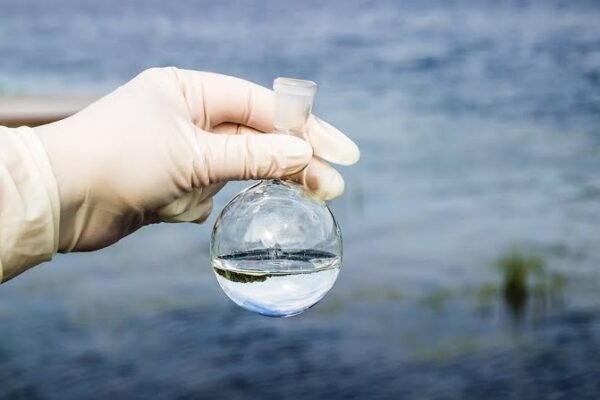
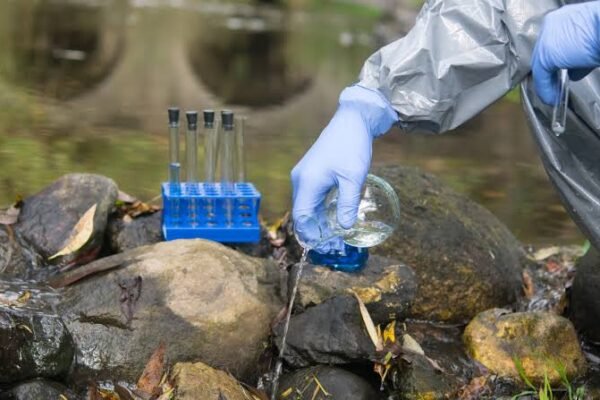
A water analysis can identify characteristics such as hardness, pH, sediment, iron, dissolved solids, and other concerns. The exact testing needed depends on the business and how water is being used.
This information gives business owners something much more useful than a sales pitch: a starting point.
Without testing, it’s easy to choose equipment that treats the wrong problem or doesn’t have enough capacity for the facility.
Why Commercial Water Treatment Matters
For many companies, commercial water treatment isn’t just about making water taste better. It can also be about protecting equipment, improving consistency, supporting sanitation practices, and reducing maintenance problems.
Hard water, for example, can contribute to mineral scale inside pipes, heaters, dishwashers, boilers, and other water-using equipment.
RelatedWhy the Right Water Softening System Can Help Your Business Run More Efficiently
Sediment can create another set of challenges. Depending on the application, filtration may be used to protect equipment or improve water quality before it reaches sensitive processes.
The right treatment system should be designed around what the business actually needs—not what’s simply popular.
Every Business Uses Water Differently
Consider a busy restaurant. Water is used for cooking, ice production, dishwashing, beverages, food preparation, and cleaning. A small office has a completely different water profile.
A hotel may have dozens or hundreds of guests using showers, sinks, laundry facilities, and other water-consuming systems. A manufacturing plant could have highly specific process-water requirements.
There’s no universal blueprint.
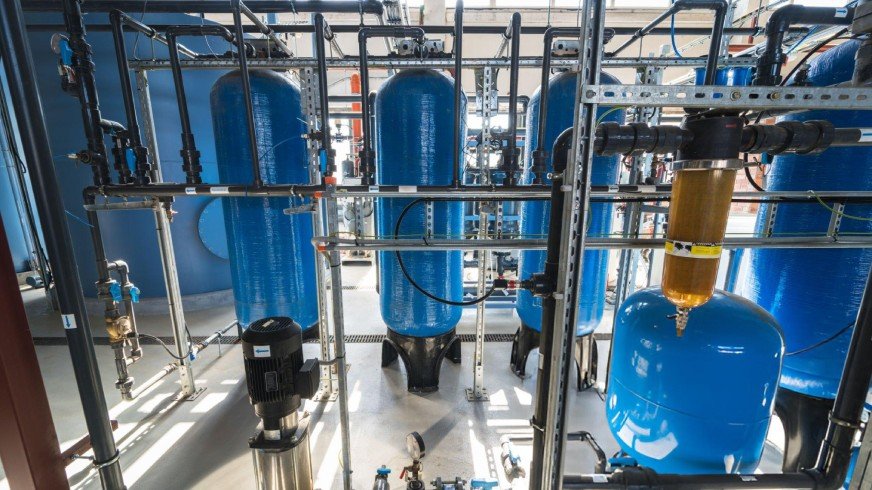
This is why custom water solutions for businesses can be valuable. A properly designed system can account for water quality, flow rates, usage patterns, facility size, and the particular demands of the application.
The goal isn’t to make treatment complicated. It’s to make it appropriate.
RelatedHow the Right Water Treatment Solution Can Improve Everyday Life at Home
Protecting Expensive Equipment
Commercial equipment isn’t cheap. When mineral deposits or poor water conditions affect a dishwasher, water heater, steam system, coffee machine, or production component, repair bills can add up quickly.
Water treatment can be one part of a preventative maintenance strategy.
For example, reducing hardness may help control scale formation. Filtration may protect equipment from sediment. Specialty treatment can be considered when specific contaminants or water characteristics need to be addressed.
Of course, treatment isn’t a magic shield. Equipment still needs regular inspection and maintenance. But controlling water quality can reduce one source of avoidable stress.
Capacity and Flow Rate Matter
A treatment system that works perfectly in a small facility may struggle in a busy commercial environment.
Businesses often experience periods of high demand. Think about a restaurant during the dinner rush or a hotel in the morning when dozens of guests are showering and preparing for the day.
Flow rate and peak demand should therefore be part of the design process.
RelatedChoosing the Right Water Treatment Solution for a Healthier and More Comfortable Home
If the system can’t keep up, water pressure or treatment performance may suffer. Proper sizing helps ensure that the equipment can handle real-world conditions rather than just average usage.
It’s a small detail on paper, but a big one when the building is busy.
Maintenance Should Be Easy to Understand
Nobody wants another mysterious task on their business to-do list.
Before installing a treatment system, business owners should know what maintenance will involve. How often do filters need changing? Does the system require salt? Are there tanks or membranes that need servicing? What happens when something stops working?
Clear answers make ownership easier.
A good maintenance schedule can also help prevent unexpected downtime. Instead of waiting for poor water quality or equipment failure to reveal a problem, businesses can address routine service in advance.
RelatedWhat Experience, Certification, and Technology Really Mean in Water Treatment
That’s generally the less stressful—and often less expensive—way to do things.
Look at the Long-Term Cost
The cheapest treatment system isn’t always the cheapest choice.
Businesses should consider installation costs, replacement parts, energy consumption, water usage, maintenance, and expected equipment lifespan. A system with a slightly higher upfront cost may prove more economical if it operates efficiently and requires less frequent service.
This is where reliable solutions for your business become especially important. Reliability isn’t just about whether a machine turns on. It’s about whether the entire treatment setup continues doing its job without creating unnecessary interruptions.
Choosing the Right Provider
The equipment matters, but the company behind it matters too.
Look for a provider willing to explain the water analysis, treatment options, maintenance requirements, and expected operating costs. Ask questions. A good provider shouldn’t make you feel silly for asking basic ones.
It’s also worth considering service availability. Commercial equipment may need attention outside convenient hours, especially when water quality affects business operations.
RelatedWhy Water Treatment Matters More Than Ever for Homes, Businesses, and Growing Communities
Having someone knowledgeable available when problems arise can be worth its weight in gold.
Water Quality Is Part of Business Quality
Customers may never see a commercial water treatment system, and that’s perfectly fine. In fact, the best systems tend to work quietly in the background.
What customers do notice is clean water, good-tasting beverages, properly functioning equipment, comfortable facilities, and consistent service.
For business owners, the goal should be straightforward: understand the water, identify the real problems, and choose treatment designed around the operation.
Commercial water treatment doesn’t have to be unnecessarily complicated. With proper testing, thoughtful system design, sensible maintenance, and dependable service, businesses can turn water from a potential headache into something they simply rely on.
And honestly, when you’re running a business, having one less headache is a pretty good outcome.