We tend to think of water as simple. Turn on the tap, fill a glass, take a sip. Done.
But if you’ve ever noticed an unusual taste, a strange smell, or stubborn residue on your kitchen fixtures, you know the story isn’t always quite that simple. Water can look perfectly clear and still have characteristics that affect how it tastes, how it behaves around the house, and how comfortable you feel using it every day.
The good news is that improving household water doesn’t have to involve guesswork or complicated equipment. It starts with understanding what you’re working with.
Why Clean Drinking Water Matters
We drink water throughout the day, use it to prepare meals, make tea and coffee, and sometimes give it to children and guests without giving it another thought.
Having access to clean drinking water is therefore more than a convenience. It’s an everyday part of maintaining a comfortable and practical home.
Taste matters, too. If tap water has an unpleasant flavor, people may naturally reach for bottled drinks instead. Over time, that can become expensive and creates unnecessary plastic waste.
Improving the taste and quality of household water can make plain water more appealing. Sometimes a small change has a surprisingly big effect on daily habits.
Water Can Contain More Than You Can See
One of the interesting things about water is that appearance doesn’t tell the whole story.
A glass can look completely clear while containing minerals and other dissolved substances. Depending on the source, water may also have varying levels of hardness, chlorine, iron, or other naturally occurring materials.
This doesn’t automatically mean the water is unsafe. It simply means that clear water isn’t the same thing as fully understood water.
RelatedWhy Better Water at Home Changes More Than You Think
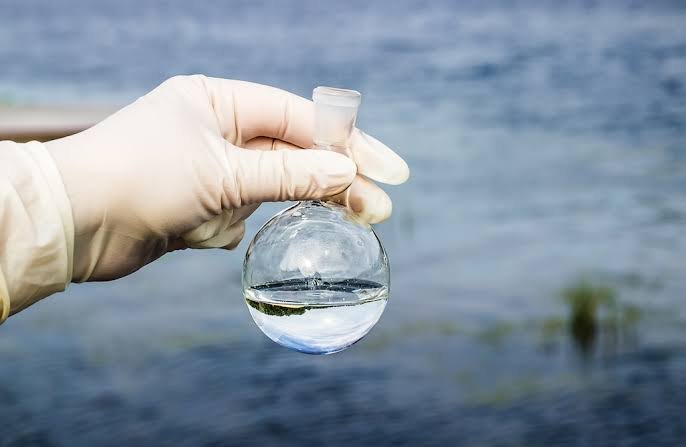
Testing can provide useful information and help homeowners decide whether any treatment is necessary.
Understanding Dissolved Solids
The term dissolved solids refers to minerals, salts, metals, and other substances that are present in water in dissolved form.
Some dissolved solids occur naturally. Calcium and magnesium, for example, are common in many water supplies and contribute to hardness.
A higher total dissolved solids reading doesn’t automatically tell you whether water is safe or unsafe. It’s one measurement, not a complete health assessment.
That’s an important distinction because homeowners sometimes see a number on a test report and immediately assume it tells the entire story. It doesn’t.
Water quality is more complicated than one number.
Why Testing Is a Smart First Step
Before purchasing a filtration or purification system, consider testing your water.
A test can help identify characteristics that may influence taste, odor, hardness, or treatment requirements. For private wells, regular testing can be particularly useful because groundwater conditions can vary over time.
RelatedHow Modern Water Filtration Helps Create Cleaner, Better-Tasting Water at Home
Once you know what you’re dealing with, it becomes easier to choose equipment with a specific purpose.
You may need a sediment filter. You might benefit from softening. Perhaps a drinking-water filtration system makes sense. Or maybe your water is already fine and no major equipment is necessary.
That’s the ideal outcome, really—making a decision based on information instead of sales pressure.
How Water Quality Affects Everyday Life
People often think about water quality only when they’re drinking from a glass. But household water touches nearly everything.
It affects showers, laundry, dishes, cooking, appliances, and cleaning.
Hard water can leave scale around faucets and showerheads. Chlorine can affect taste and odor. Sediment may clog filters or settle in fixtures.
These may sound like minor annoyances, but small frustrations repeated every day can become surprisingly tiring.
If you constantly wipe white residue from your faucet or scrub spots from shower glass, you’re experiencing the practical side of water chemistry.
RelatedWhat to Look for in a High-Performance Drinking Water Filtration System
Different Problems Need Different Solutions
There is no universal water filter that solves every problem.
Carbon filtration may be useful for improving taste and reducing certain substances. Water softeners are designed primarily to address hardness. Reverse osmosis systems can reduce many dissolved materials from a treated water stream.
The right choice depends on your actual water conditions.
This is why buying the first product you see online isn’t necessarily the best strategy. A system can be excellent and still be completely wrong for your particular water.
Start with the problem. Then choose the technology.
Don’t Forget About the Whole House
Drinking-water treatment is often installed at the kitchen sink, and that’s perfectly reasonable if your main concern is what you drink.
But if the issue involves hard water or sediment throughout the home, a point-of-use filter won’t necessarily solve everything.
Think about your priorities.
RelatedWhy Upgrading Your Home’s Water Treatment System Is About More Than Just Better Water
Do you want better-tasting water for drinking and cooking? Are you dealing with scale in every bathroom? Is your water affecting appliances?
Your answers can help determine whether you need a targeted solution or a broader household approach.
Maintenance Is Part of Better Water
Even the best equipment needs care.
Filters eventually need replacement. Membranes have service lives. Water softeners require salt and periodic attention, depending on the system.
Ignoring maintenance can reduce performance and make it harder to know whether the equipment is still doing what you expect.
Set reminders. Keep replacement dates somewhere easy to find. And pay attention to changes in taste, pressure, or water appearance.
It’s not exciting, but neither is changing an air filter—and both are easier when you remember to do them.
Make Water Improvements Practical
Better water doesn’t require turning your home into a laboratory.
RelatedSmall Details, Better Performance: What to Look for in a Modern Water Filtration System
Start by understanding your source. Test when appropriate. Identify the main concern and choose treatment based on that concern.
If taste is the issue, focus there. If hardness is causing scale, address hardness. If testing identifies a specific concern, choose equipment designed for it.
The best solution is rarely the one with the most features. It’s the one that solves the problem without creating a new one.
A Better Glass of Water Starts With Knowing Your Water
Water is ordinary in the best possible way. It’s always there, quietly supporting almost everything we do.
Taking a closer look at it doesn’t need to be complicated. A little testing, sensible treatment, and regular maintenance can make household water more pleasant and easier to manage.
And sometimes that’s all you’re looking for: a glass of water that tastes good, a cleaner kitchen faucet, and one less everyday problem to think about.
Simple, practical, and worth it.