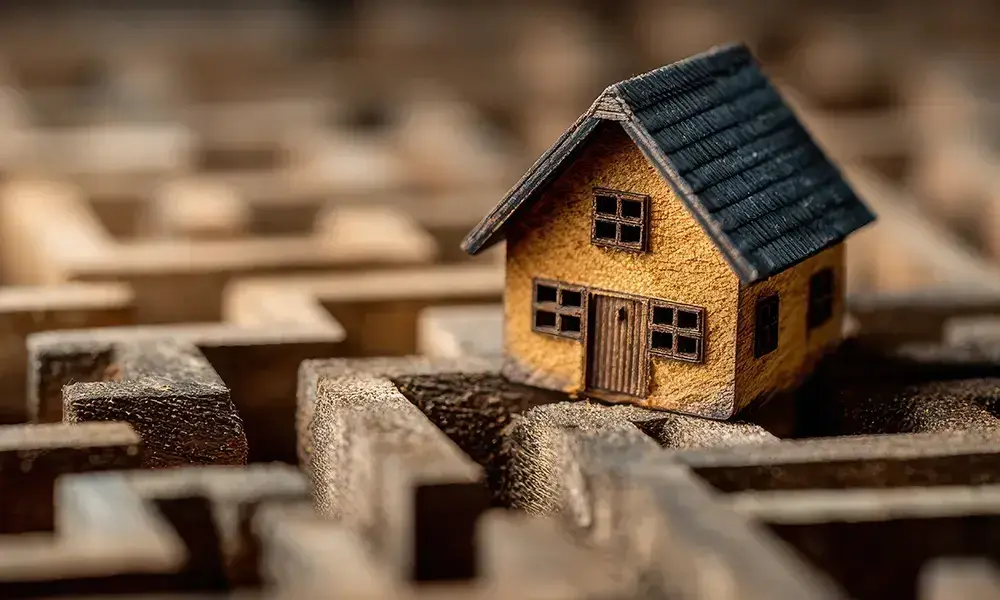
Cities have always been a little chaotic. No matter how carefully urban planners design roads, drainage systems, transport routes, or housing projects, real life tends to complicate everything eventually. Populations grow faster than expected, traffic patterns shift, weather becomes unpredictable, and infrastructure starts struggling under pressure.
For decades, city planning mostly relied on projections, surveys, historical data, and educated assumptions. Sometimes those decisions worked beautifully. Sometimes entire urban areas ended up facing congestion, flooding, pollution, or inefficient public services because planners simply couldn’t predict how systems would behave years later.
That’s exactly why digital twin technology is starting to attract serious attention in the smart city conversation.
The concept sounds futuristic at first, but it’s actually fairly practical. A digital twin is basically a virtual model of a real-world system — in this case, an entire city or parts of it. Roads, traffic movement, electricity usage, water supply systems, public transport networks, weather conditions, construction projects — all connected digitally and updated continuously through real-time data.
Instead of guessing how a city might react to change, planners can simulate scenarios before making expensive decisions.
And honestly, that could become incredibly valuable as urban populations continue growing rapidly.
Cities Are Becoming Too Complex for Traditional Planning Alone
Modern cities operate like living organisms now. Everything affects everything else.
A new shopping complex changes traffic flow. A metro expansion affects housing demand. Heavy rainfall exposes drainage weaknesses. Even small infrastructure decisions can create unexpected ripple effects across entire neighborhoods.
Traditional urban planning methods still matter, of course. But static planning models struggle to keep up with fast-changing urban environments.
That’s where digital twins become interesting.
A digital twin allows planners to observe how different systems interact dynamically instead of analyzing them separately. For example, city officials could test how adding a new flyover might impact pollution levels, traffic congestion, emergency response times, and pedestrian movement simultaneously.
RelatedWhat Experience, Certification, and Technology Really Mean in Water Treatment
The ability to visualize consequences before construction begins could prevent costly mistakes that cities usually spend years trying to fix afterward.
Real-Time Data Makes Planning Smarter
One major advantage of digital twin systems is their ability to process live information continuously.
Sensors, cameras, IoT devices, satellite data, weather monitoring systems, and transportation networks all contribute information that keeps the virtual city updated in real time. That means planners aren’t relying only on outdated reports anymore.
If traffic congestion suddenly increases in one area, city authorities can study patterns immediately instead of discovering problems months later through public complaints.
Similarly, water leakage, electricity overloads, pollution spikes, or flood risks can be monitored proactively rather than reactively.
That’s why conversations around “Digital twin technology smart cities planning me kitni useful ho sakti hai?” are becoming increasingly important among urban planners, engineers, and technology experts worldwide.
The goal isn’t simply creating futuristic cities for marketing purposes. It’s about building cities that function more efficiently for actual people living inside them.
Infrastructure Decisions Could Become Less Wasteful
One frustrating thing about urban development is how expensive mistakes become.
RelatedWhy the Way Your Water Tastes Can Tell You More Than You Think
Poorly planned roads get redesigned. Drainage systems fail during heavy rain. Public transport expansions miss demand patterns. Entire residential zones struggle because infrastructure planning didn’t account for future population density.
Digital twin technology could reduce some of that uncertainty.
Before spending millions on physical construction, planners can simulate multiple outcomes digitally. They can study environmental impact, crowd movement, emergency evacuation routes, or energy consumption patterns beforehand.
That kind of predictive planning doesn’t guarantee perfection, obviously. Cities remain unpredictable because humans themselves are unpredictable. But better simulations create better preparedness.
And preparedness matters enormously in densely populated urban environments.
Climate Challenges Make This Technology More Relevant
Climate change has made urban planning far more complicated than it used to be.
Heatwaves, flooding, water shortages, air pollution, and extreme weather events now force cities to think differently about resilience. Infrastructure designed decades ago often struggles under new environmental pressures.
Digital twins could help cities prepare more intelligently for these challenges.
For example, planners could simulate flood behavior during intense rainfall and identify vulnerable areas before disasters happen. Heat mapping could reveal neighborhoods requiring more green spaces or cooling infrastructure. Energy systems could be tested under extreme usage conditions.
RelatedWhen It’s Time to Upgrade Your Water System: A Smarter Way to Improve Home Water Quality
This ability to model future environmental stress feels especially valuable for rapidly growing cities in developing countries where infrastructure pressure is already intense.
Public Services Could Become More Efficient
Another overlooked advantage involves everyday public services.
Waste collection routes, public transport timing, emergency services, water distribution — all these systems become more manageable when cities understand operational patterns more clearly.
Imagine ambulances automatically receiving optimized routes based on real-time traffic conditions. Or electricity grids balancing energy demand more efficiently during peak hours. Or public transport adjusting dynamically based on crowd density.
These improvements may sound technical, but their real impact is deeply human. Less time wasted. Faster emergency response. Better resource management. Reduced frustration for residents.
Good city planning is ultimately about improving daily life, not just building impressive infrastructure.
Privacy and Cost Concerns Still Exist
Of course, digital twin technology isn’t without complications.
Building accurate digital city models requires enormous amounts of data collection. That naturally raises privacy concerns around surveillance, citizen tracking, and data security. People may worry about how their information is collected or used inside highly connected urban systems.
RelatedWhy Smart Electrical Planning Makes Every Building Project Stronger from Day One
There’s also the issue of cost.
Developing and maintaining large-scale digital twins demands significant investment, skilled professionals, advanced infrastructure, and continuous technological updates. Smaller cities may struggle to implement such systems effectively.
And honestly, technology alone never solves governance problems automatically. Poor planning decisions can still happen even with sophisticated tools if leadership lacks transparency or long-term vision.
The Future of City Planning Feels More Predictive
Still, despite those challenges, digital twin technology represents an important shift in how cities might evolve over the next decade.
Urban planning is gradually moving away from reactive problem-solving toward predictive decision-making. Instead of waiting for systems to fail, cities are trying to anticipate pressure points earlier.
That mindset change feels significant.
As populations rise and urban systems become increasingly interconnected, digital twins could help planners understand cities not as static maps, but as constantly evolving ecosystems.
And maybe that’s exactly what modern cities need most right now — not just smarter technology, but smarter ways of understanding how urban life actually works in real time.