Water is part of nearly every little routine at home. We use it to make coffee before work, wash vegetables for dinner, fill the kettle, and take a shower after a long day. Most of the time, we turn on the tap without giving it a second thought. But when the water tastes strange, leaves marks on the sink, or develops an unpleasant smell, it quickly becomes something we notice.
The tricky part is knowing what to do about it. There are plenty of filtration products on the market, and their promises can make choosing one feel more complicated than it needs to be. Fortunately, you don’t have to understand every technical detail to make a sensible decision. You just need to know where your water comes from, what problems you’re trying to solve, and which solutions are suited to your household.
Start With the Water You Already Have
Before spending money on a filtration system, take a moment to understand your current water quality. Water supplied by a municipal network may have different characteristics from water drawn from a borewell or private well. Even neighbouring properties can experience differences because of plumbing materials, storage tanks, or local groundwater conditions.
Some problems are easy to spot. Sediment may collect at the bottom of a bucket, while hard water can leave stubborn white deposits around taps and showerheads. Other concerns, including certain dissolved chemicals and microorganisms, may not change the water’s appearance or taste at all.
That’s why testing is more useful than guessing. A suitable water test can identify concerns such as hardness, pH, dissolved solids, and specific contaminants relevant to your source. The exact tests needed will depend on local conditions and the way your property receives water.
Don’t assume that clear water is automatically safe, or that water with an unusual taste is necessarily dangerous. Appearance and taste offer clues, but they cannot provide a complete picture.
Finding a Filter That Works in Your Kitchen
For many households, the kitchen is the best place to begin improving everyday water quality. Drinking, cooking, preparing baby formula, washing produce, and making hot beverages all depend on having water that meets the needs of the household.
RelatedHow the Right Water Treatment Solution Can Improve Everyday Life at Home
The right filter depends on what needs to be removed. Activated carbon, for example, can reduce chlorine taste and odour and certain organic compounds. Sediment filters capture suspended particles, while other technologies target particular dissolved substances or microorganisms.
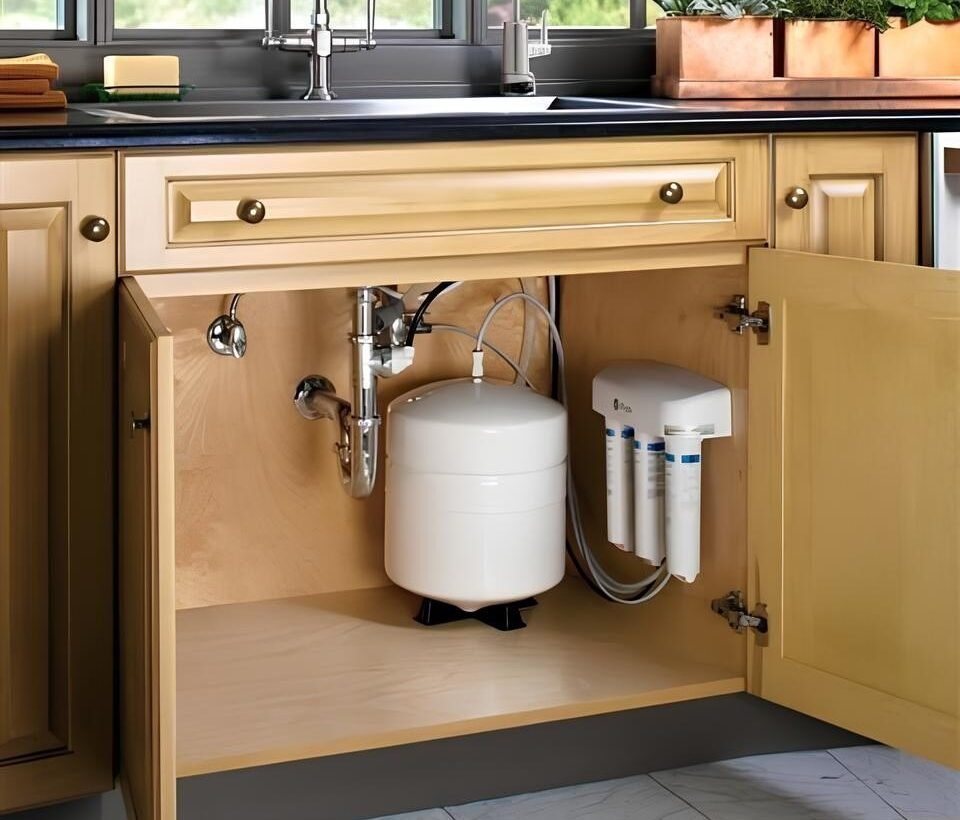
If you’re short on counter space, under sink filters can be a practical option. Installed inside the cabinet beneath the kitchen sink, these systems leave the worktop clear and typically supply filtered water through a dedicated faucet or an integrated tap. Depending on the model, they may use carbon cartridges, multiple filtration stages, or reverse osmosis membranes.
Before choosing one, check its certified contaminant-reduction claims. A filter advertised as improving taste may not reduce lead, nitrates, or other contaminants of concern. Similarly, a system that performs well with municipal water might not be suitable for untreated groundwater without additional treatment.
Replacement costs matter, too. A filter is only useful when its cartridges are changed according to the manufacturer’s instructions. Check how easy it is to obtain replacement parts and whether the system requires professional installation. A modest, well-maintained filter can be a better investment than an expensive model that becomes difficult to service.
RelatedHow Modern Water Filtration Helps Create Cleaner, Better-Tasting Water at Home
When Your Water Comes From a Well or Borewell
Private wells and borewells can provide a dependable water source, but their quality depends on geology, nearby land use, sanitation, rainfall, and the condition of the well itself. Unlike centrally treated municipal supplies, private sources generally require the property owner to take responsibility for appropriate testing and treatment.
This is where well water treatment becomes especially important. Depending on test results, a property may need sediment filtration, hardness reduction, iron or manganese removal, or disinfection. Some groundwater sources also require treatment for specific chemicals, including nitrate or arsenic, where those substances are present.
There isn’t one universal system that handles every groundwater problem. A sediment filter won’t remove all dissolved chemicals, and a water softener isn’t a substitute for disinfection. Choosing equipment without understanding the water can leave important problems unresolved.
Testing should be carried out through a competent laboratory, with the range of tests selected for the local environment and potential contamination sources. If results indicate microbial contamination, use an appropriate safe-water measure while arranging proper treatment and investigating the cause. Boiling can help control many disease-causing microorganisms, but it does not remove chemical contaminants and may concentrate some of them as water evaporates.
Maintenance matters just as much as the initial installation. Wells should be protected from surface runoff and nearby contamination sources, and treatment equipment should be checked regularly. After flooding, repairs, or significant changes in taste or appearance, repeat testing may be necessary.
RelatedChoosing the Right Water Treatment Solution for a Healthier and More Comfortable Home
Looking Beyond Drinking Water
Water quality can affect more than what’s in your glass. Scale buildup may shorten the life of heating elements, sediment can interfere with plumbing fixtures, and excessive iron may leave orange-brown stains on sinks and laundry. These issues don’t all require the same equipment, though, so it pays to identify the cause before choosing a solution.
A whole-house sediment filter may help protect plumbing from suspended particles. A suitable softener can reduce hardness-related scale, while specialised filters may address particular contaminants throughout the property. In some homes, a simple change in maintenance habits is enough to improve the situation.
It’s also worth remembering that treating every drop of water to drinking-water standards isn’t always necessary. You may only need advanced filtration at the kitchen tap, with a separate solution for a specific issue affecting the rest of the house. This approach can reduce unnecessary equipment, running costs, and water waste.
Getting More Value From Professional Support
Water treatment doesn’t have to be a do-it-yourself project from beginning to end. A qualified professional can help interpret test results, estimate water demand, select appropriately sized equipment, and explain what the system will and won’t do.
RelatedSmall Details, Better Performance: What to Look for in a Modern Water Filtration System
Some companies offer additional services such as scheduled filter replacement, annual system inspections, water-quality follow-up testing, leak checks, and maintenance plans. These options can be helpful for busy households, particularly when equipment has several stages or requires regular servicing.
Still, ask questions before signing a service agreement. Find out which tasks are included, how often visits occur, whether replacement parts cost extra, and what happens if the system stops working between appointments. Clear answers are worth more than vague promises about perfect water.
A reliable provider should be willing to explain its recommendations in understandable language rather than pushing the most expensive package. Ideally, the proposed equipment should match documented water conditions and come with clear instructions for ongoing care.
A Smarter Way to Improve Your Water
Choosing a water filtration system doesn’t need to turn into a major household project. Begin with the basics: understand your water source, test for relevant concerns, and decide which improvements matter most to your family.
RelatedWhat Better Drinking Water Really Means for Your Home
From there, compare treatment technologies, check independently verified performance claims, and consider the full cost of ownership. Think about the everyday details, too. Will replacement filters be easy to find? Does the system fit your available space? Can you maintain it without too much trouble?
Most importantly, don’t buy equipment simply because the packaging makes impressive claims. The best solution is one that addresses a real problem and continues to work properly over time.
Good water quality often goes unnoticed, which is probably how it should be. When your drinking water tastes pleasant, your fixtures stay cleaner, and your treatment equipment is properly maintained, everyday routines become a little easier. Start with reliable information, choose carefully, and build your water treatment setup around what your home genuinely needs.