Water is one of those business essentials that rarely earns much attention. Lights, equipment, employees, and customers naturally become the focus of daily operations, while water quietly flows through the building without anyone giving it a second thought.
That changes when problems start showing up.
A dishwasher suddenly needs repairs. Water heaters seem less efficient than they used to be. Glassware develops cloudy spots no matter how carefully it’s cleaned, or maintenance teams spend more time removing stubborn mineral deposits from plumbing and equipment.
These issues often appear unrelated, but they’re frequently connected by one common factor—hard water.
For businesses that rely on water every day, understanding how water quality affects operations can lead to lower maintenance costs, longer equipment life, and smoother day-to-day performance.
Hard Water Doesn’t Announce Itself
One of the reasons hard water becomes expensive is that it rarely causes immediate problems.
Instead, it works quietly.
Minerals like calcium and magnesium slowly accumulate inside pipes, water heaters, boilers, dishwashers, coffee machines, cooling systems, and countless other pieces of commercial equipment. At first, the buildup is barely noticeable.
Over time, however, those thin mineral layers begin restricting water flow, reducing heating efficiency, and placing additional strain on equipment that already works hard every day.
By the time repairs become necessary, the buildup has often been developing for years.
That’s why prevention usually costs much less than correction.
Every Business Uses Water Differently
Not all commercial properties have the same water demands.
RelatedWhy the Right Water Treatment Can Make Business Operations Run Smoother
A busy restaurant may process thousands of gallons every week through kitchens and dishwashing equipment. Hotels rely on water throughout guest rooms, laundry facilities, kitchens, and mechanical systems. Manufacturing operations often require consistent water quality to protect production equipment, while healthcare facilities depend on reliable water for cleanliness and operational efficiency.
Even office buildings experience different water usage patterns depending on occupancy and facility size.
Because of these differences, choosing the right treatment system begins with understanding how each property actually uses water.
Generic solutions rarely provide the best long-term results.
Why custom water softening Makes More Sense
Every water supply contains different mineral levels.
Some buildings experience only mild hardness, while others deal with significant calcium and magnesium concentrations that quickly create scale throughout plumbing systems.
That’s exactly why custom water softening offers advantages over standard, one-size-fits-all equipment.
Instead of installing identical systems everywhere, water treatment professionals evaluate incoming water quality, daily consumption, plumbing configuration, and equipment demands before recommending a solution.
The result is a softening system designed specifically for the property’s needs.
That personalized approach improves efficiency while avoiding oversized equipment or unnecessary operating costs.
RelatedCleaner Water at Home: How Filtration, Softening, and Reverse Osmosis Can Make a Difference
Simply put, the system works because it matches the water.
Water Quality Affects More Than Equipment
It’s easy to focus on maintenance costs because they’re measurable.
But poor water quality influences people too.
Restaurants want beverages that taste consistent and glassware that sparkles. Hotels want guests to enjoy clean bathrooms, soft towels, and dependable hot water. Employees appreciate facilities that simply work without constant interruptions or plumbing issues.
Cleaner, softer water contributes to all of those experiences.
Customers rarely compliment water treatment directly, yet they often notice the results without realizing what’s responsible.
Sometimes the smallest behind-the-scenes improvements create the strongest overall impression.
Proper Planning Matters Before Equipment Arrives
Buying quality equipment is important, but equipment alone doesn’t guarantee good results.
Every commercial building has different plumbing layouts, water pressure, installation space, and peak water demand.
RelatedWhat to Look for in a High-Performance Drinking Water Filtration System
That’s why professional installation plays such an important role in overall system performance.
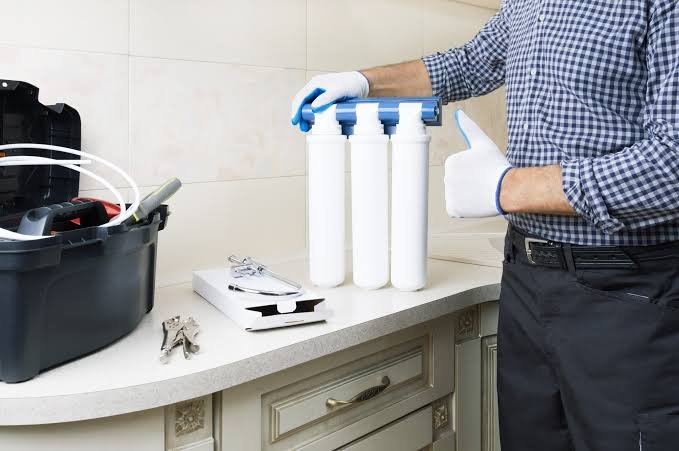
Experienced installers evaluate how water moves throughout the property, ensure the equipment is properly sized, integrate it efficiently into existing plumbing, and verify that the system operates correctly from day one.
A thoughtfully installed system performs more reliably, requires fewer adjustments, and simplifies future maintenance.
It’s one of those details that often goes unnoticed—until something is installed incorrectly.
Soft Water Supports Long-Term Savings
Mineral buildup doesn’t only shorten equipment lifespan.
It also increases energy consumption.
Scale acts like insulation inside water heaters and boilers, forcing heating elements to work harder to produce the same results. Pumps operate under greater strain, plumbing becomes less efficient, and maintenance intervals become shorter.
Removing hardness minerals before they circulate through the building helps protect these systems from unnecessary wear.
Over time, businesses often experience lower repair costs, improved equipment efficiency, reduced downtime, and more predictable maintenance schedules.
Those savings accumulate quietly, year after year.
RelatedSmall Details, Better Performance: What to Look for in a Modern Water Filtration System
Reliable Water Helps Businesses Stay Productive
Every business depends on reliable infrastructure.
Whether it’s serving customers during busy lunch hours, keeping hotel rooms comfortable, supporting healthcare environments, or maintaining manufacturing production, interruptions cost both time and money.
Reliable water treatment helps reduce those interruptions.
Equipment remains cleaner internally. Plumbing performs more consistently. Water heaters recover more efficiently. Maintenance teams spend less time addressing preventable mineral-related problems.
Instead of reacting to unexpected repairs, businesses gain the ability to focus on growth, customer service, and daily operations.
That’s a valuable advantage in any industry.
Choosing business water solutions That Fit Your Needs
No two companies operate exactly alike, which is why business water solutions should never be selected based solely on equipment brochures or general recommendations.
The best solutions begin with understanding the building itself.
Water testing, consumption analysis, plumbing inspections, and discussions about operational priorities help professionals recommend systems that genuinely fit the property rather than simply matching a product catalog.
RelatedHow the Right Water Treatment Solution Can Improve Everyday Life at Home
Sometimes a straightforward softening system provides everything a business needs.
Other properties benefit from additional filtration, reverse osmosis, or specialized treatment technologies designed around their specific water conditions.
Personalization almost always leads to better long-term value.
Investing Today Helps Protect Tomorrow
Business owners regularly invest in preventative maintenance because they understand its value.
Vehicles receive scheduled servicing before breakdowns occur. HVAC systems are maintained before peak seasons. Fire protection equipment is inspected long before emergencies happen.
Water treatment deserves that same mindset.
Protecting plumbing, extending equipment life, reducing energy waste, and lowering maintenance costs all contribute to stronger financial performance over time.
The benefits may not always be dramatic from one day to the next, but they become increasingly meaningful over the years.
At the end of the day, better water isn’t simply about cleaner pipes or softer water. It’s about creating a business environment where equipment performs efficiently, maintenance becomes more predictable, and daily operations continue without unnecessary interruptions. Investing in the right water treatment system today helps build a stronger, more reliable business for tomorrow—and that’s a decision that continues paying dividends long after installation is complete.