Most people don’t think about their water until it starts causing trouble. Perhaps the shower door is covered in stubborn white marks, the dishwasher leaves spots on glasses, or soap seems to disappear without producing much lather. These little annoyances can become part of the daily routine, especially in homes where water contains high levels of hardness minerals.
A water softener can make a noticeable difference, but choosing one involves more than comparing prices or looking at the size of the equipment. Homeowners should consider water usage, maintenance requirements, operating costs, and how a system performs over time.
The Kinetico Premier XP is one option worth exploring for households interested in reducing hard water problems. Understanding its design, potential benefits, and practical requirements can help you decide whether this type of system fits your home.
Why Water Softening Matters
Water hardness develops naturally as water moves through mineral-rich soil and rock. During that journey, it can collect calcium and magnesium, two minerals that are largely responsible for the familiar problems associated with hard water.
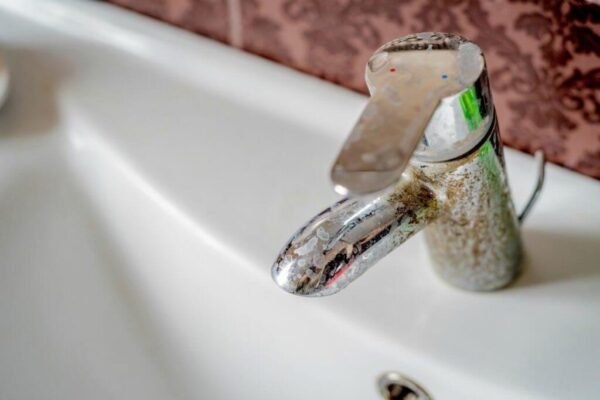
The minerals themselves aren’t automatically dangerous to health. The trouble is what they can leave behind. White residue on faucets, cloudy glassware, soap scum in showers, and deposits inside appliances are common complaints in homes with hard water.
Over time, mineral buildup can also affect water-using equipment. Water heaters, washing machines, and dishwashers may accumulate scale, depending on the hardness level and how frequently they’re used. That can mean more cleaning, additional maintenance, and potentially reduced efficiency in some circumstances.
A properly selected softener reduces the concentration of hardness minerals before water travels through the home’s plumbing. Many homeowners appreciate the difference in everyday cleaning, even if the change is gradual rather than dramatic.
RelatedCleaner Water at Home: How Filtration, Softening, and Reverse Osmosis Can Make a Difference
Before choosing a system, test your water hardness. A simple test can help establish whether treatment is likely to provide meaningful benefits and what capacity the equipment should have.
Getting to Know the Kinetico Premier XP
The kinetico premier xp is a water softening system from Kinetico, a manufacturer known for water treatment equipment that uses water-powered control designs in many of its systems. The Premier XP product line is intended for residential water softening, although exact configurations and specifications should be confirmed with the local dealer.
One feature associated with Kinetico’s design approach is the use of water pressure to operate the system’s control mechanism. This differs from conventional softeners that rely on an electrically powered timer or electronic controller for certain operating functions.
That distinction may appeal to homeowners who prefer a system with fewer electrical control components. Still, it’s important to look beyond a single feature and consider how the complete unit performs in your home.
Capacity, water demand, incoming hardness, installation requirements, and the availability of service all influence whether a particular model is a good match. A household with several bathrooms and heavy water use may have different needs from a smaller home with only one or two occupants.
RelatedHow the Right Water Treatment Solution Can Improve Everyday Life at Home
Ask an authorized dealer for the current model specifications, including its rated capacity, flow performance, salt requirements, and recommended service schedule. Product configurations can vary by market, so relying on general descriptions alone isn’t enough to make a confident purchasing decision.
Understanding Nonelectric Operation
One of the design characteristics that attracts attention is nonelectric operation. In a water-powered system, the movement and pressure of water help operate the control mechanism, rather than depending on an electrical connection for those functions.
For some homeowners, this can simplify installation because the system may not need a nearby electrical outlet for its main control operation. It may also reduce reliance on electrical control components. However, the complete installation can still involve other equipment or requirements, so it’s best to confirm the details for the specific configuration.
Nonelectric operation doesn’t mean the system requires no maintenance. The softening resin eventually needs regeneration, and the unit still relies on water, salt where applicable, and functioning mechanical components. Drainage and plumbing connections must also be installed correctly.
It’s worth asking how the system determines when regeneration is needed, how much salt it typically uses under your household’s conditions, and what happens during unusually high water demand.
RelatedWhy Modern Water Coolers Are Becoming a Smarter Choice for Homes and Workplaces
These questions are more useful than focusing solely on whether the equipment uses electricity. The goal is to understand the system’s day-to-day operation and whether it fits the way your household uses water.
Efficiency Is About More Than One Feature
Water treatment manufacturers often discuss efficiency, but the term can refer to several different things. It may describe salt consumption, water used during regeneration, the ability to soften water consistently, or the overall operating requirements of the system.
Kinetico systems are designed around demand-based operation in many configurations, meaning regeneration is linked to water use rather than simply following a fixed clock schedule. The precise operation depends on the model, so homeowners should verify how the Premier XP configuration they’re considering manages regeneration.
When comparing claims of industry-leading efficiency, look for measurable information rather than relying on a slogan. Ask for the manufacturer’s rated performance data and compare it with other systems of similar capacity. Salt efficiency, water consumption during regeneration, and the amount of softened water available between regeneration cycles are all useful considerations.
A system that works efficiently for one household may not deliver the same results in another. Incoming water hardness, family size, laundry habits, shower frequency, and other water demands can affect performance.
RelatedWhy the Right Water Softening System Can Help Your Business Run More Efficiently
Correct sizing is particularly important. An undersized unit may struggle during busy periods, while a poorly matched larger system may not be the most economical choice. A water treatment professional can use your test results and estimated consumption to recommend an appropriate configuration.
Installation and Ongoing Maintenance
Even a well-designed softener needs proper installation. The unit must be connected to the water supply correctly, with suitable drainage and any required bypass arrangements. Local plumbing requirements should also be followed.
Before agreeing to an installation, ask for a written quotation that explains what is included. It should clarify the equipment supplied, plumbing modifications, setup, testing, warranty coverage, and any additional costs.
Maintenance is relatively straightforward for many conventional softeners, but it shouldn’t be ignored. Check salt levels as recommended, keep the brine tank in suitable condition, and arrange servicing when required. If the water begins showing signs of hardness again, the cause could be an empty salt supply, an operating issue, changing water conditions, or a component that needs attention.
Keep the original water test and installation details. These records can help a technician understand the system’s history and make troubleshooting more efficient.
RelatedClearer, Better-Tasting Water Starts With Understanding Your Filtration Options
Is the Kinetico Premier XP Right for Your Home?
The best water softener is not necessarily the most expensive or the one with the longest feature list. It’s the system that addresses your water conditions, handles your household’s demand, and remains practical to maintain.
The Kinetico Premier XP may be worth considering if you’re looking for a residential softening system with a water-powered control design. Before purchasing, confirm the model’s current specifications, installation requirements, service availability, and expected running costs with an authorized dealer.
Start with a hardness test, ask detailed questions, and compare verified performance figures. That approach gives you a much clearer picture than choosing equipment based on marketing claims alone.
Better water is ultimately about making everyday life easier. With the right system, appropriate installation, and consistent maintenance, you can reduce mineral-related cleaning hassles and help manage scale buildup around your home. A little research before buying can make the difference between an expensive guess and a solution that genuinely suits your household.