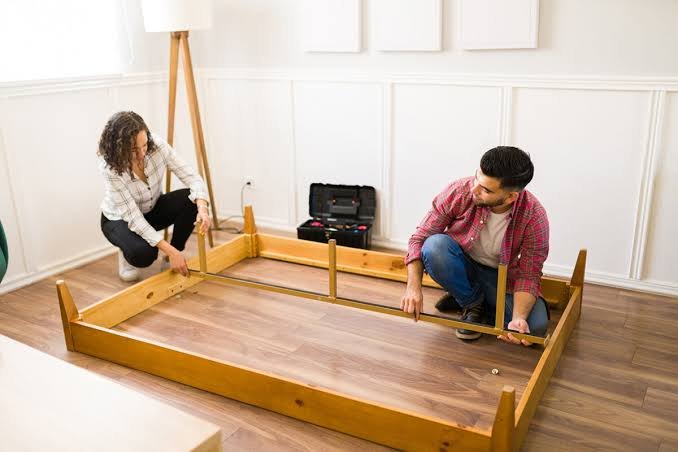
A home doesn’t have to be perfectly designed to feel good. In fact, most homes aren’t. There’s usually a chair that has somehow become the official place for clothes, a drawer that sticks for no obvious reason, and at least one piece of furniture waiting to be assembled.
That’s normal.
What matters is whether your home supports the way you actually live. If you’re working remotely, sleeping poorly because your bedroom furniture isn’t quite right, or spending too much time struggling with basic household tasks, a few thoughtful changes can make everyday life noticeably easier.
The best improvements aren’t always expensive. Sometimes they’re simply about making better use of the space and getting the fundamentals right.
Start With How You Actually Use the Space
Before buying furniture or rearranging an entire room, pay attention to your routine.
If you work from home, think about where you naturally concentrate. Do you need quiet? Is there enough daylight? Are you sitting comfortably? Can you keep work materials separate from the rest of your living space?
A practical work-from-home setup doesn’t need to look like a corporate office. A desk, supportive chair, adequate lighting, sensible cable management, and a comfortable background may be all you really need.
The important thing is creating a space that encourages focus without making you feel like you’re permanently at work.
Comfort Shouldn’t Be an Afterthought
Furniture can look fantastic in a showroom and feel completely different after several hours of use.
A desk that’s slightly too high might not seem like a problem during a ten-minute test. After a full workday, your shoulders may have a different opinion.
RelatedSimple AC Maintenance Habits That Keep Your Home Comfortable All Summer
The same goes for chairs, beds, sofas, and storage furniture.
When choosing household furniture, consider dimensions, posture, movement, and the people who will actually use it. If possible, measure the available space before ordering anything. It sounds obvious, but many furniture problems begin with assumptions.
Don’t Underestimate Good Assembly
Flat-pack furniture has made furnishing a home more affordable, but the assembly process can be surprisingly fiddly.
A bed frame assembled incorrectly may creak, shift, or feel unstable. A wardrobe with poorly aligned panels can have doors that never quite close. A desk with loose connections may gradually become wobbly.
Good assembly isn’t simply about finishing quickly. Components need to be aligned, fasteners tightened appropriately, and moving parts checked before the furniture is put into regular use.
If instructions seem confusing, don’t force the pieces together. Something that doesn’t fit usually has a reason. Going back a few steps is often easier than trying to repair a mistake later.
Your Chair Matters More Than You Think
People tend to spend a lot of time thinking about desks and computer equipment while treating the chair as an afterthought.
That’s a mistake.
RelatedChoosing the Right Water Treatment Solution for a Healthier and More Comfortable Home
If you’re sitting for several hours a day, a supportive chair can make your workspace considerably more comfortable. Height adjustment, back support, seat depth, and arm positioning all deserve attention.
When putting together a new chair, careful chair assembly is important. Make sure the base is secure, wheels are properly fitted, and adjustment mechanisms operate correctly.
Don’t immediately assume a chair is defective if it feels uncomfortable. It may need adjustment first.
Measure Everything Before You Buy
A piece of furniture can be perfect on paper and completely wrong for your room.
Measure the width, depth, and height of the available area. Then measure doorways, hallways, staircases, and lifts if the furniture needs to pass through them.
This is particularly important for large desks, beds, wardrobes, and shelving units.
There’s a special kind of frustration involved in discovering that a new sofa fits beautifully in the living room but can’t make it through the front door.
Five minutes with a tape measure can prevent that whole situation.
RelatedWhen It’s Time to Upgrade Your Water System: A Smarter Way to Improve Home Water Quality
Keep Your Workspace Organised
A home office can become cluttered quickly. Cables multiply. Chargers disappear. Notebooks pile up. Before you know it, your desk has become a storage area with a computer somewhere in the middle.
You don’t need an elaborate organisational system.
Use simple cable clips, keep frequently used items within reach, and give less-used equipment a designated place. If possible, avoid allowing work materials to spread across the entire room.
A little organisation makes it easier to switch between work mode and home mode.
Lighting Makes a Bigger Difference Than Expected
Good lighting can completely change how a room feels.
For a workspace, natural light is useful, but glare on a screen can become annoying. A desk lamp can help when daylight isn’t enough.
Bedrooms usually benefit from softer, more relaxing lighting, while reading areas may need something more focused.
Think about what the room is actually used for rather than choosing lighting based solely on appearance.
RelatedWhat Better Drinking Water Really Means for Your Home
Beautiful lighting that makes it difficult to see your laptop isn’t particularly useful.
Know When to Get Help
There is nothing wrong with assembling your own furniture. Plenty of people enjoy it.
But not every project needs to become a personal challenge.
Large or heavy furniture can require two people to handle safely. Complex assemblies may involve dozens of components and precise alignment. If you’re tired, rushed, or missing the correct tools, the job can quickly become frustrating.
Professional assistance can sometimes save time and protect the furniture from damage.
It’s not about whether you could do it. Sometimes the better question is whether you actually want to spend your evening doing it.
Think About the Long-Term Use
A good home setup should continue working after the novelty wears off.
Ask yourself whether the furniture will still be useful six months from now. Can the desk accommodate your equipment if your needs change? Is there enough storage? Can the chair be adjusted? Is the bed frame sturdy enough for everyday use?
RelatedCleaner Water at Home: How Filtration, Softening, and Reverse Osmosis Can Make a Difference
These aren’t exciting questions, but they prevent a lot of unnecessary buying and replacing.
Make Your Home Work for You
A comfortable home doesn’t come from following a perfect design formula. It comes from understanding how you live and making small improvements around that reality.
Maybe that means creating a quieter workspace. Maybe it means finally assembling the furniture that’s been sitting in a box. Or perhaps it means replacing something uncomfortable that you’ve tolerated for far too long.
None of these changes need to be dramatic.
A desk in the right place, a properly assembled bed, a supportive chair, and a little organisation can transform the way a room feels.
Your home should make everyday life easier, not add another list of things to manage.
Start small. Fix what bothers you most. And don’t be afraid to ask for help when a job is bigger—or more annoying—than it first appeared.