We turn on the tap, fill a glass, and rarely stop to think about what’s actually in it. Water is such an ordinary part of daily life that its importance can fade into the background. Yet the quality of the water we drink, cook with, and use every day can have a meaningful effect on comfort, health, and even the condition of our homes.
Understanding what makes water safe and pleasant to use doesn’t require a chemistry degree. A little knowledge about common contaminants, filtration, and testing can make it much easier to make sensible choices. After all, when something is consumed every day, it deserves more attention than a quick glance at the faucet.
What Makes Drinking Water Safe?
Safe drinking water should be free from harmful levels of microorganisms, chemicals, and other contaminants. Public water supplies are generally treated and monitored, but water can still be affected by aging pipes, plumbing materials, environmental conditions, or issues within a private well.
Taste and appearance can also be misleading. Clear water isn’t automatically pure, and water that has a slight odor isn’t necessarily dangerous. Different substances create different problems, and some contaminants have no noticeable taste, color, or smell at all.
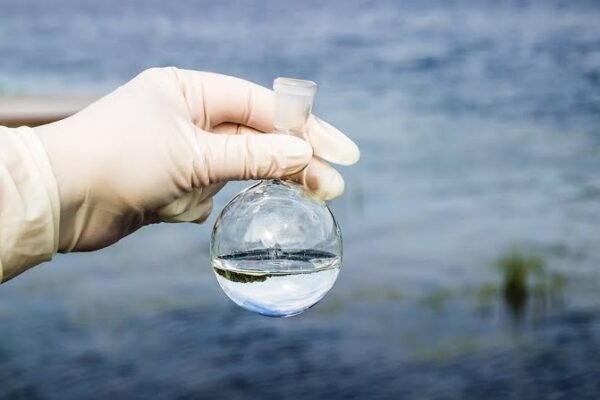
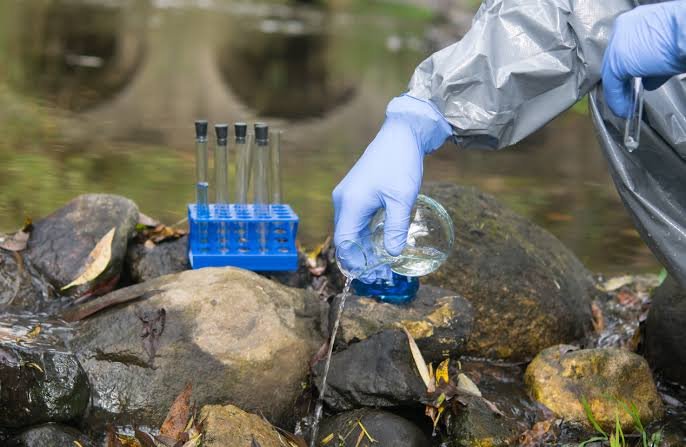
That’s why testing matters. Instead of guessing based on appearance, a proper water test can provide a much clearer picture of what’s actually present.
For households, clean drinking water is about more than simply avoiding obvious contamination. It should also be pleasant to drink, suitable for cooking, and appropriate for everyday use.
Understanding Dissolved Solids in Water
One term homeowners often encounter when researching water treatment is total dissolved solids, commonly shortened to TDS. These are minerals, salts, metals, and other substances that have dissolved into water.
Some dissolved substances occur naturally. Calcium and magnesium, for example, are common in groundwater and contribute to hardness. Other dissolved materials may come from soil, plumbing, industrial activity, or agricultural sources.
RelatedWhy Better Water at Home Changes More Than You Think
A high TDS reading doesn’t automatically mean water is unsafe. That’s an important distinction. TDS is a broad measurement, not a complete safety test. It tells you that dissolved material is present, but it doesn’t identify every individual substance or explain whether a particular contaminant is harmful.
Still, dissolved solids can affect taste, cooking, appliances, and the overall feel of water. In some homes, mineral-rich water may leave spots on fixtures or contribute to scale inside pipes and water heaters.
Why Water Testing Is Worth the Effort
Water testing can seem like one of those household chores that gets pushed to the bottom of the list. Until something goes wrong, of course.
A basic test may examine factors such as pH, hardness, chlorine, iron, and other common characteristics. Depending on the location and water source, more detailed testing may be appropriate for substances such as lead, arsenic, nitrates, or specific microbial contaminants.
Private well owners should be especially proactive because wells aren’t regulated in the same way as public municipal supplies. Changes in groundwater conditions, flooding, nearby construction, or damage to a well system can influence water conditions.
RelatedWhy Water Treatment Matters More Than Ever for Homes, Businesses, and Growing Communities
Even homes using municipal water can benefit from testing when there are unusual odors, changes in taste, discoloration, plumbing concerns, or other unexplained changes.
The goal isn’t to panic over every unusual smell. It’s simply to replace assumptions with useful information.
Filtration: Choosing the Right Approach
Water filtration isn’t a one-size-fits-all solution. The best system depends on what’s actually in the water and what the household wants to improve.
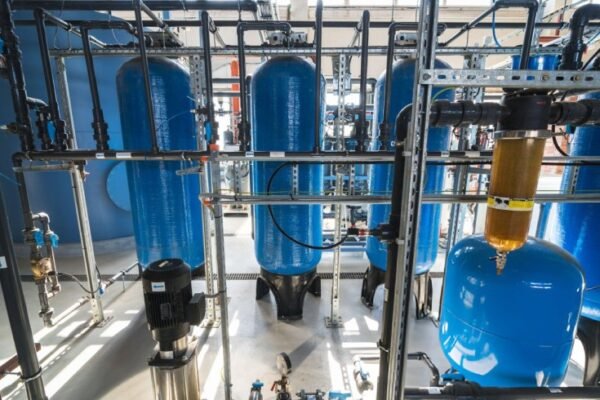
Sediment filters can help capture particles such as sand, dirt, and rust. Activated carbon filters are commonly used to reduce chlorine, unpleasant tastes, and certain organic compounds. Reverse osmosis systems can remove many dissolved substances and are often installed at a specific drinking-water tap.
For homes dealing with hard water, a water softener may be more appropriate than a drinking-water filter. Softening focuses primarily on minerals such as calcium and magnesium that cause scale.
This is where testing becomes useful. Buying the most complicated system simply because it sounds advanced isn’t always smart. A modest filtration setup can be perfectly adequate for one home, while another may need a combination of treatment methods.
RelatedWhy Your Home’s Water Deserves More Attention Than You Think
Think of water treatment like choosing the right pair of shoes. What works beautifully for one person might be completely wrong for another.
The Hidden Impact of Hard Water
Hard water isn’t usually a dramatic problem. It’s more of a slow, persistent nuisance.
You might notice white mineral deposits around faucets, cloudy shower doors, soap that doesn’t lather easily, or reduced efficiency in water-using appliances. Over time, scale can accumulate inside water heaters, fixtures, and plumbing components.
Hard water can also make cleaning more frustrating. Towels may feel rougher, glassware may develop spots, and showers can require more scrubbing than anyone really wants to do on a Saturday morning.
A water softener can help reduce these effects by exchanging hardness minerals for sodium or potassium ions, depending on the system. However, the right treatment should be selected based on actual water conditions and household needs.
RelatedWhy the Way Your Water Tastes Can Tell You More Than You Think
Water Quality Is About More Than Drinking
It’s easy to think of water quality only in terms of what goes into a glass. But the water flowing through a home affects much more than drinking.
Water is used for bathing, washing clothes, preparing meals, cleaning dishes, making beverages, and running appliances. Poor-quality water can leave stains, create odors, contribute to scale, or affect the lifespan of plumbing equipment.
For this reason, water quality is really a whole-house consideration. A point-of-use filter may be excellent for drinking and cooking, while a whole-home treatment system may make more sense when the concern affects showers, laundry, appliances, and fixtures as well.
The distinction between these systems matters. Not every contaminant needs to be removed from every drop of water in the house. Sometimes targeted treatment is more practical and economical.
Simple Steps Homeowners Can Take
Improving household water doesn’t always begin with installing equipment. Start with a few straightforward habits.
RelatedWhat Better Drinking Water Really Means for Your Home
- Have your water tested if you’re concerned about its condition.
- Learn whether your home receives municipal water or well water.
- Pay attention to sudden changes in taste, smell, or appearance.
- Replace filter cartridges according to the manufacturer’s recommendations.
- Have older plumbing inspected if you suspect corrosion or contamination.
- Choose treatment equipment based on test results rather than marketing claims.
- Keep wells, storage tanks, and related equipment properly maintained.
These steps aren’t glamorous, admittedly. But they can prevent small concerns from becoming expensive headaches.
Making Better Water Decisions at Home
Water is one of those things we tend to notice only when it stops behaving normally. A strange taste, stubborn scale, or unexpected odor suddenly makes us pay attention.
The good news is that homeowners don’t have to become water-treatment experts overnight. Understanding basic water chemistry, getting appropriate testing, and choosing treatment based on actual needs can go a long way.
Most importantly, don’t assume that a single number or one piece of equipment tells the whole story. Water is complicated, and the right solution depends on its source, composition, plumbing system, and how the household uses it.
In the end, taking care of your home’s water is a practical investment in everyday living. It means fewer surprises at the tap, better-performing appliances, and greater confidence in something you rely on every single day. Sometimes, the simplest household improvement starts with something as ordinary as filling a glass.