There’s something comforting about turning on the tap and expecting clean, fresh water every single time. Most of us rarely stop to think about what’s actually flowing through those pipes. If it looks clear and doesn’t smell strange, we assume everything is perfectly fine. But water has a funny way of hiding its problems.
Some issues build so slowly that homeowners don’t notice them until appliances begin failing, plumbing starts acting up, or laundry never seems quite as clean as it used to. By then, what seemed like a small concern often turns into an expensive repair. That’s why understanding your home’s water isn’t just about drinking safely—it’s about protecting everything connected to it.
The Hidden Story Behind Everyday Water
Every region has its own water profile. Some areas naturally have harder water because it travels through limestone and mineral-rich rock before reaching homes. Others may contain traces of iron, sulfur, chlorine, or other naturally occurring substances that affect taste, smell, and overall quality.
The interesting part is that many of these changes happen so gradually that families simply adapt without realizing it. Soap doesn’t lather as well anymore. Faucets develop white spots. Coffee makers seem to wear out faster than expected. These little inconveniences often point toward larger water quality concerns.
Rather than treating each symptom individually, it’s worth taking a step back and asking what’s really causing the issue.
Why Hard Water Creates Bigger Problems Than Most People Expect
Hard water is one of the most common household water issues, yet it’s also one of the least understood. The minerals responsible for hardness aren’t usually dangerous to drink, but they can quietly reduce the efficiency of your entire plumbing system.
Over time, scale-causing elements settle inside pipes, water heaters, dishwashers, and washing machines. Layer after layer builds up until water flow decreases and appliances need to work much harder than they were designed to.
Think of it like cholesterol building inside arteries. Everything still works—for a while—but efficiency slowly disappears.
RelatedWhy Better Water at Home Changes More Than You Think
Many homeowners first notice the problem through higher utility bills, inconsistent water pressure, or fixtures that constantly need cleaning. Unfortunately, replacing appliances costs far more than preventing mineral buildup in the first place.
Small Water Changes Can Affect Daily Living
Water quality reaches into everyday routines in surprising ways.
You might notice shampoo doesn’t rinse out easily. Glassware comes out cloudy after every wash. Towels feel rough instead of soft, even with fabric softener. Skin may feel dry after showering, and hair often loses some of its natural shine.
None of these signs seem urgent on their own. Together, however, they paint a fairly clear picture that your water may need attention.
Cooking can also be affected. Tea and coffee sometimes taste slightly different, while mineral deposits inside kettles become difficult to remove. Even houseplants occasionally respond differently depending on what’s dissolved in the water they’re receiving.
Why Guessing Rarely Solves Water Problems
It’s tempting to search online, compare symptoms, and immediately assume the answer is a water softener or filtration system. Sometimes that’s correct—but not always.
RelatedWhat Better Drinking Water Really Means for Your Home
Water chemistry is surprisingly unique from one neighborhood to another, and occasionally even from one home to the next. Installing equipment without understanding the actual issue can lead to unnecessary spending while the original problem remains unresolved.
That’s where expert guidance becomes incredibly valuable.
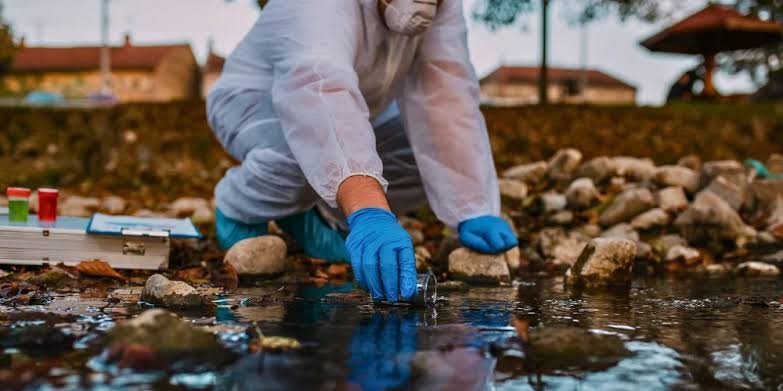
A professional analysis identifies exactly what’s present in your water rather than relying on assumptions. Whether the concern involves hardness, iron, manganese, sediment, chlorine, or other contaminants, accurate information allows homeowners to choose solutions that truly match their needs.
Instead of trial and error, decisions become based on facts.
Every Home Doesn’t Need the Same Solution
One mistake people often make is believing every water treatment system works for every household.
In reality, water improvement is much more personalized than that.
RelatedWhy Clean Water Matters More Than You Think
Some homes benefit greatly from a water softener that reduces mineral buildup. Others may need filtration designed specifically for chlorine, unpleasant odors, or sediment. Well water often requires a completely different approach compared to municipal water supplies.
The goal isn’t buying the biggest or most expensive system available. It’s finding equipment that addresses the actual characteristics of your home’s water.
That usually saves money in both the short and long term.
The Value of Professional Experience
There’s certainly no shortage of online advice about fixing water problems. Some tips are genuinely useful. Others oversimplify situations that require a closer look.
Working with professionals provides something the internet simply can’t offer: local knowledge combined with actual testing results.
Reliable specialists don’t recommend equipment first—they ask questions, evaluate your water, and explain what the results actually mean. That kind of water quality testing often prevents homeowners from purchasing systems that aren’t necessary or overlooking problems that deserve immediate attention.
RelatedCleaner Water at Home: How Filtration, Softening, and Reverse Osmosis Can Make a Difference
It’s a practical approach rather than a sales pitch, and that’s exactly what most families need.
Protecting Your Plumbing Investment
Most homeowners spend thousands of dollars on appliances without realizing how closely their lifespan depends on water quality.
Water heaters become less efficient when mineral deposits coat heating elements. Dishwashers struggle to clean properly. Washing machines gradually lose performance. Even plumbing fixtures require more frequent maintenance when buildup continues unchecked.
Improving water quality isn’t only about today’s comfort. It’s about reducing future repair bills and helping expensive equipment last as long as possible.
Considering the rising cost of replacing major appliances, prevention often turns out to be the more economical decision.
Clean Water Supports Everyday Peace of Mind
There’s something reassuring about knowing exactly what’s coming from your taps.
RelatedHow the Right Water Treatment Solution Can Improve Everyday Life at Home
You stop wondering why dishes leave spots. You spend less time scrubbing bathroom fixtures. Showers become more enjoyable, laundry feels softer, and household systems simply perform the way they should.
Perhaps the biggest benefit isn’t dramatic at all. It’s consistency.
Good water quietly improves dozens of small moments throughout the day without demanding attention. That’s probably why people rarely think about it until something goes wrong.
Final Thoughts
Water touches nearly every part of daily life, yet it’s easy to overlook until obvious problems appear. Taking the time to understand your home’s water today can prevent unnecessary repairs, extend the life of valuable appliances, and create a more comfortable living environment for years to come.
Whether you’re dealing with stubborn mineral buildup, unusual taste, changing water pressure, or simply want reassurance that everything is working as it should, starting with accurate information is always the smartest first step. Better water isn’t about chasing the latest product—it’s about understanding what’s flowing through your home and making thoughtful decisions that truly fit your family’s needs.